At the end of the previous blog I started philosophizing about the nature of a first-aid kit. This leads me to think about what it is we’re treating.
- Discomfort but bearable
- Debilitating but survivable
- Life-threatening and urgent
We all want our excursions to be enjoyable, otherwise what’s the point? In some cases, though, weight reduction is so important that discomfort is taken in stride.
Hut-to-hut walking is the most comfortable way to enjoy the mountains, ensured of a solid roof at the end of the day and having to carry only a light pack. Unless you end up in an uncomfortable situation by getting lost, or held up due to an accident, and have to spend the night outside. Is an emergency blanket enough then? Accidents happen more frequently when it’s raining and/or getting dark – so is a minimal viable rainproof shelter needed? As you don’t need to carry a tent, sleeping kit or cooking gear, a bit more weight in return for comfort is not an issue. A tarp is not enough, though, as the wind blows the warmth away and horizontal rain will make everything underneath it wet. We need a new tent-tarp shelter! For emergency situations while day hiking!
Bivouacking far away from a solid roof requires more gear. But it also means that you could set the tent up anywhere and be sheltered. The incredible reduction in the weight of backpacking gear over the last few decades means that the weight of the first-aid kit is not a huge issue, and a few extra pills could make the difference between enjoying the sunset vs. just surviving.
Mountaineering requires that a lot more heavy gear needs to be carried, so the weight-comfort trade-off shifts more to the absolute minimum side. As long as the discomfort doesn’t lead to making bad decisions.
Does the weather play a role? If the forecast is for 4 days of pure sunshine, do we need to bring rainpants? Of course the temperature range is a factor for the clothing you bring. Does it have an impact on the first-aid kit contents?
This is a multidimensional situation:
- Weather
- Altitude
- Trail difficulty
- Temperature
- Hours of sunshine
Ugh, this requires too much thinking. Or maybe I’m just overthinking it. I better eat something so my brain works again. Publishing and then continuing with this train of thought. Stay tuned!
What are actually the major causes of death and need for evacuation?
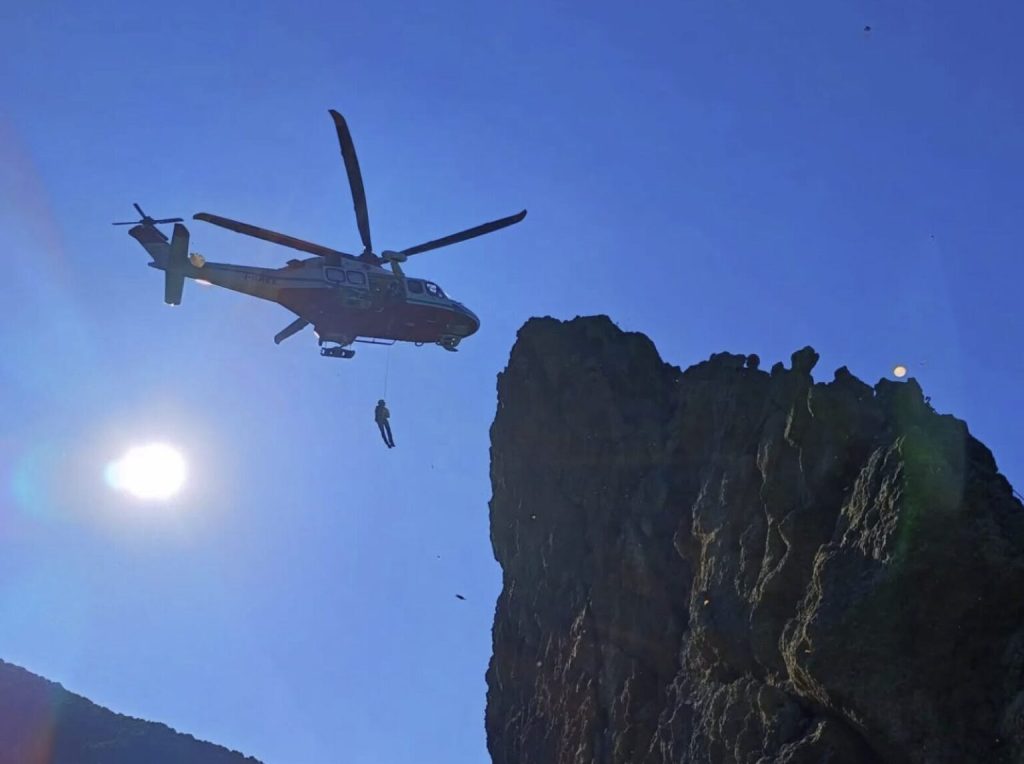
Italian Mountain Rescues Summer 2025
- Most of the incidents were due to hikers falling and injuring ankles and knees 43%
- Ill equipped and inexperienced 27%
- Unstable and deteriorating weather
- Getting off track
- Health issues: heat and cold, nausea, high altitude sickness, fatigue
- Most often middle-aged men falling or unprepared while hiking in the summer
- 12’000 people rescued in 2024, 500 died
Prediction for 2026 is that the high temperatures cause glaciers to melt and rocks to become more unstable. Therefore it is even more important to
- Do a realistic assessment of personal limits
- Thoroughly research your route
- Stay warm/cool even in changing temperatures
- Keep up energy levels by taking breaks and eating&drinking enough
- In case of an incident check: Airway, Breathing, Circulation, Disability, Exposure
- Protect injured person from rain, cold and wind
- Rationally decide when to call for help
- Carry a Recco so a rescue helicopter can detect you from up to 80m away
So, what, exactly, do we need to do before going hiking for 4 days tomorrow?
- Print out the appropriate first-aid kit list
- Compare list with contents
- Find/buy what’s missing
- Put in Dyneema envelope baggies with slots indicating what the contents should be
Trial run:

Oh, that’s a lot of missing stuff. The hardcore anti-inflammation drugs require a prescription.
We also don’t have any hard-core antibiotics, which we would add for a multi-week trip.
All of this stuff is expensive and expires, so we need an efficient way to keep things stocked.
Some links with good ideas:
https://www.redcross.org/get-help/how-to-prepare-for-emergencies/anatomy-of-a-first-aid-kit.html
https://www.redcross.org/get-help/how-to-prepare-for-emergencies/preserving-your-memories.html


Leave a Reply