outdoor stuff and experiences
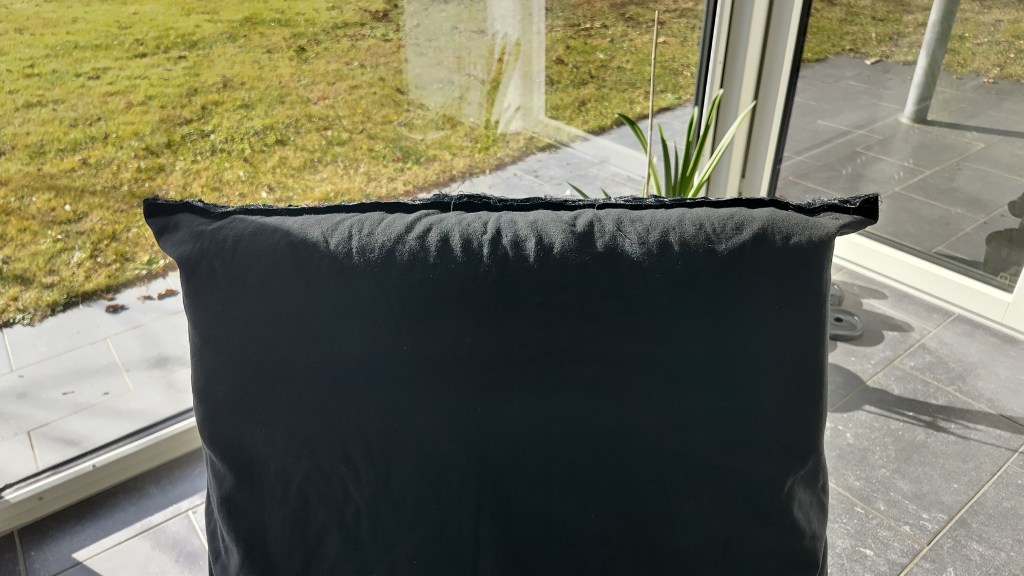
I was “almost done” with the black leopard fur chair covers. The only points twitching at me were the ears sticking out. And I had to take a decision on how to finish up the bottom part.
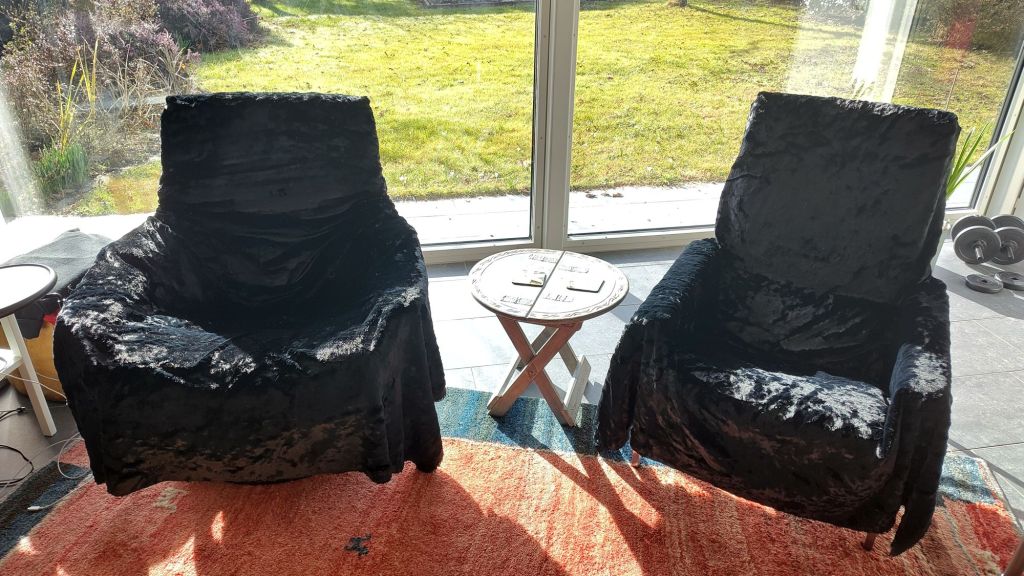
It took me less than half an hour to sew off the four ears, decide to let the bottom just hang the way it is, and hide the dangling ends of thread. Now they make the chairs cozy to sit in while protecting them from the sun.
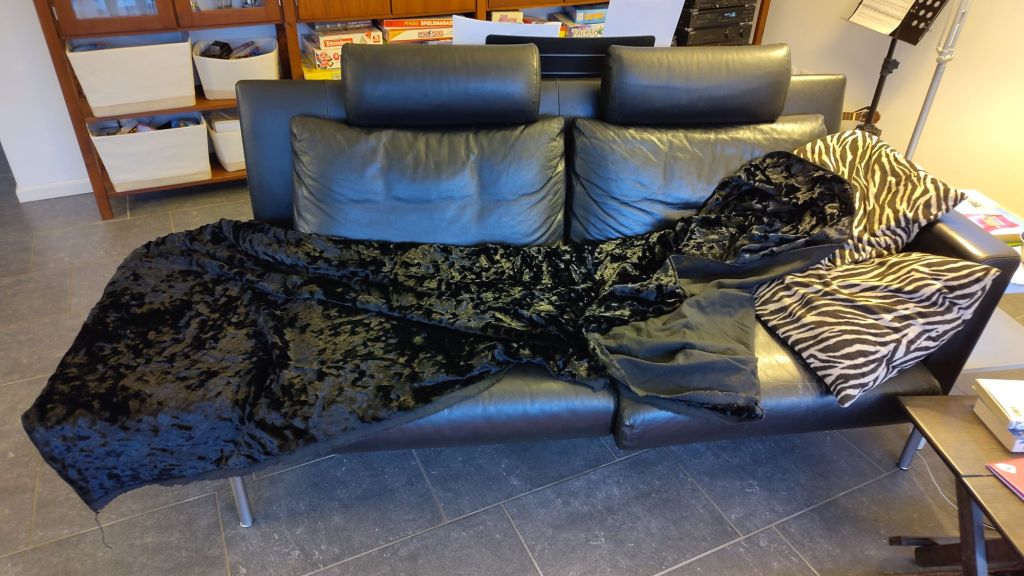
Having my sister coming over next week is a great motivator! Imagining seeing the house through her eyes… and reducing the noise in my head by finishing off projects that are busy procrastinating so I can enjoy the visit with less “urgent and important to-do list” pressure.
What’s next?
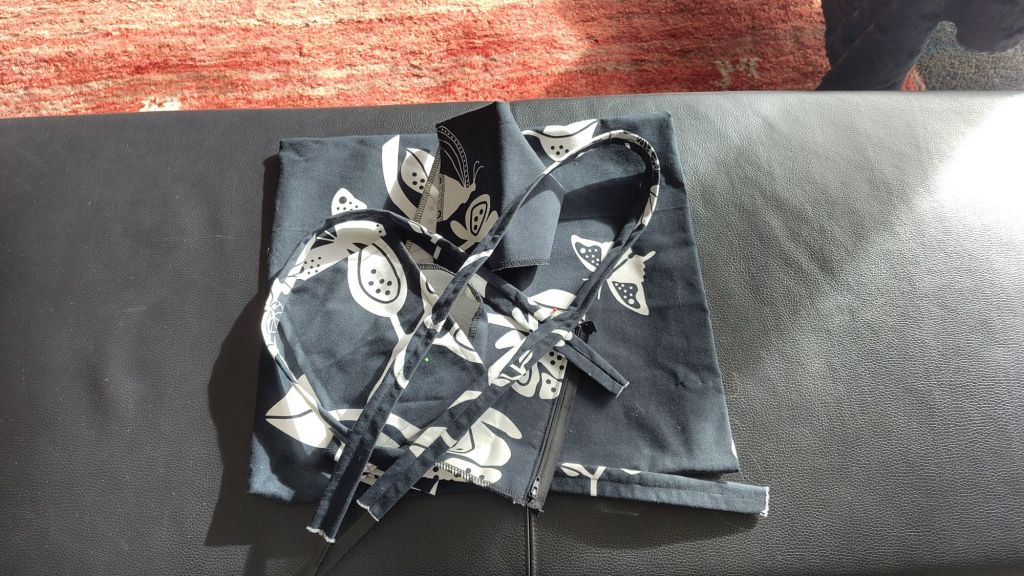
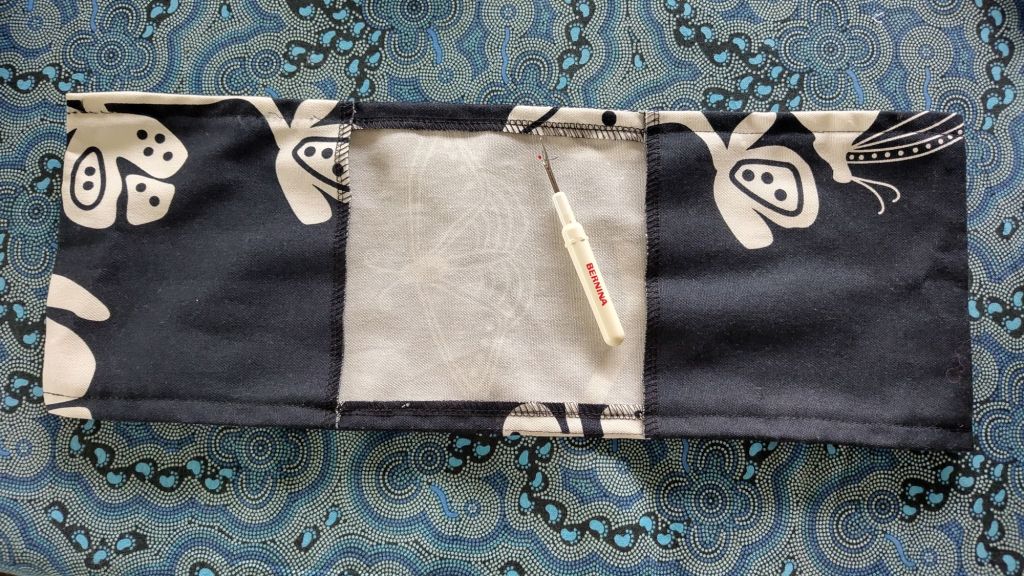
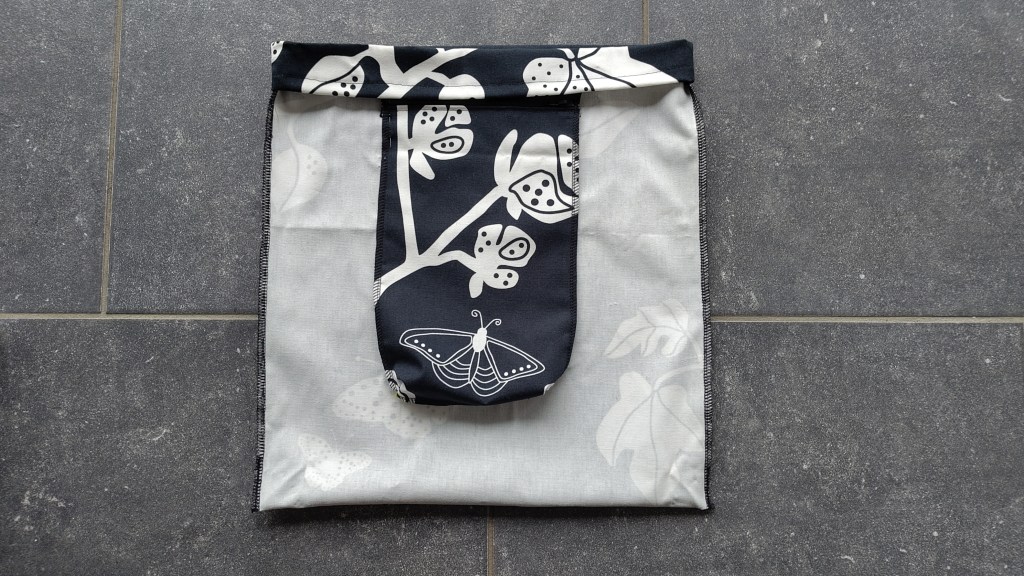
When the kids were still sitting in their black Tripp Trapps at the table, 17 years ago, I had made some pillows for them to sit on with a very nice butterfly pattern. There was some material left over that I had started making a tote bag out of. Now is the moment to finish it!
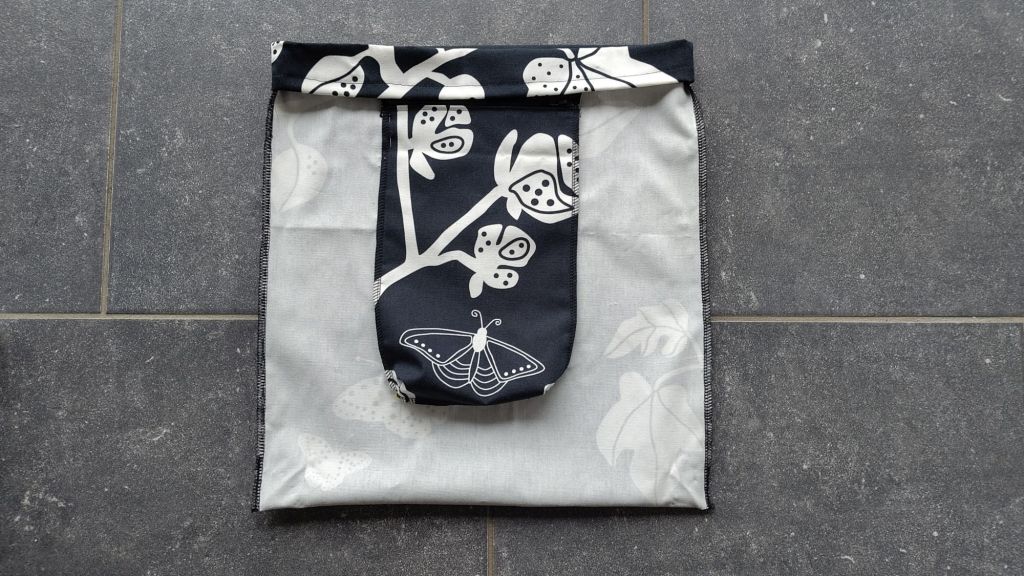
The inner pocket has a zipper at the top and is three-dimensional at the bottom so the outside material doesn’t bulge out and get stressed.
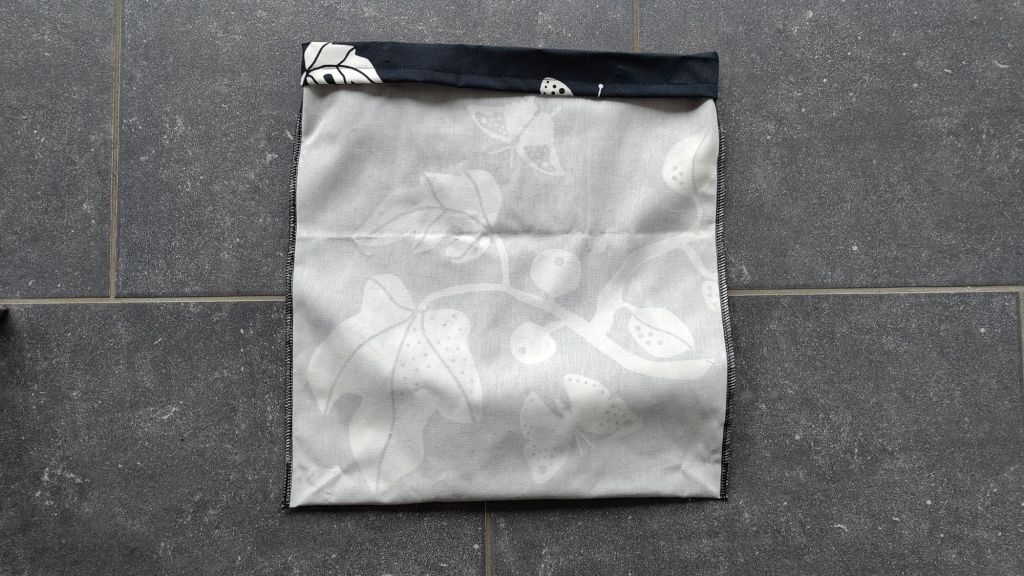
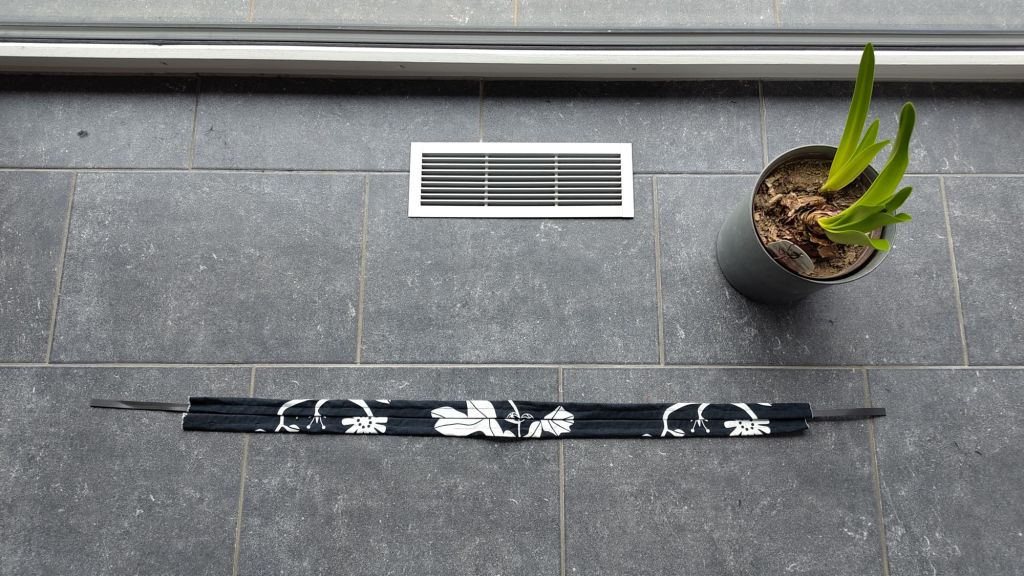
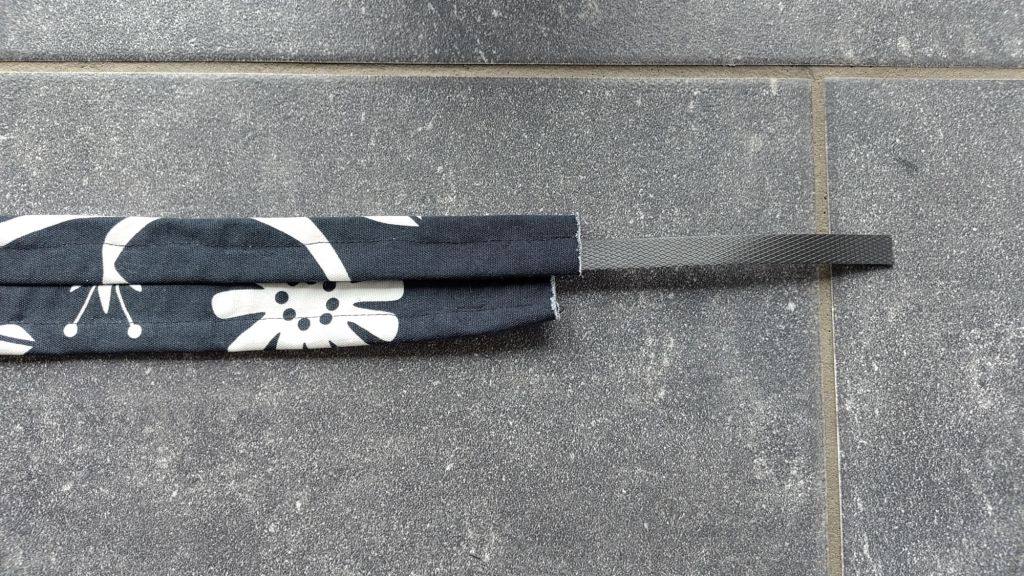
Shall I reinforce the bottom of the bag too? Yes, she sometimes carries heavy things in it. This is not meant to be a super light bag so it might as well have extra features.
A waterproof umbrella baggy inside, lined with dyneema? That would be something … How to attach it? Just at the top? I have some umbrella covers somewhere …
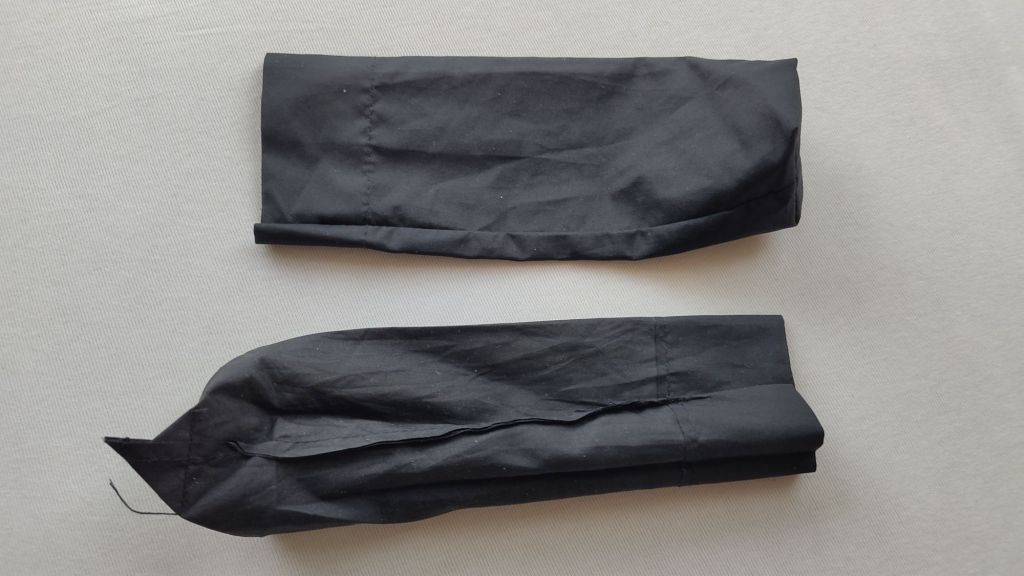
Straps to hold a bottle upright? Too much?
A hidden pocket at the bottom? I love them but they’re not really used. One on each side of the bottom reinforcement? Make the whole reinforcement double, meeting in the middle without sewing it together…
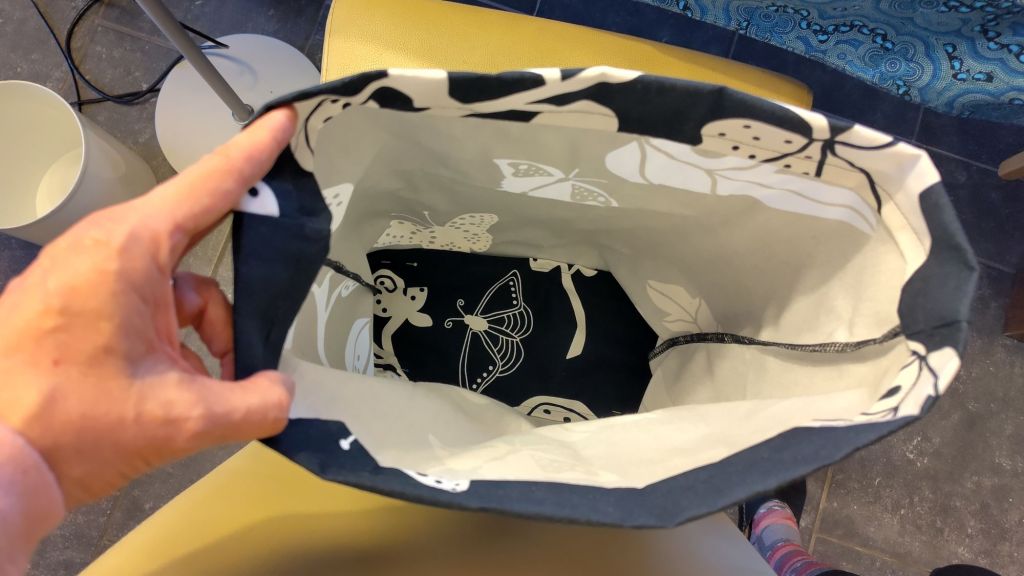
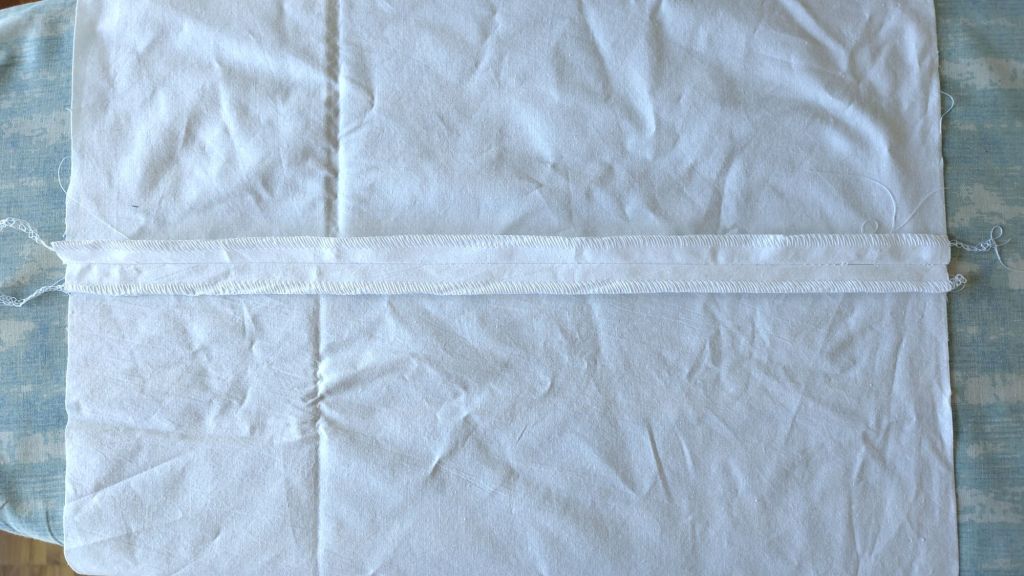
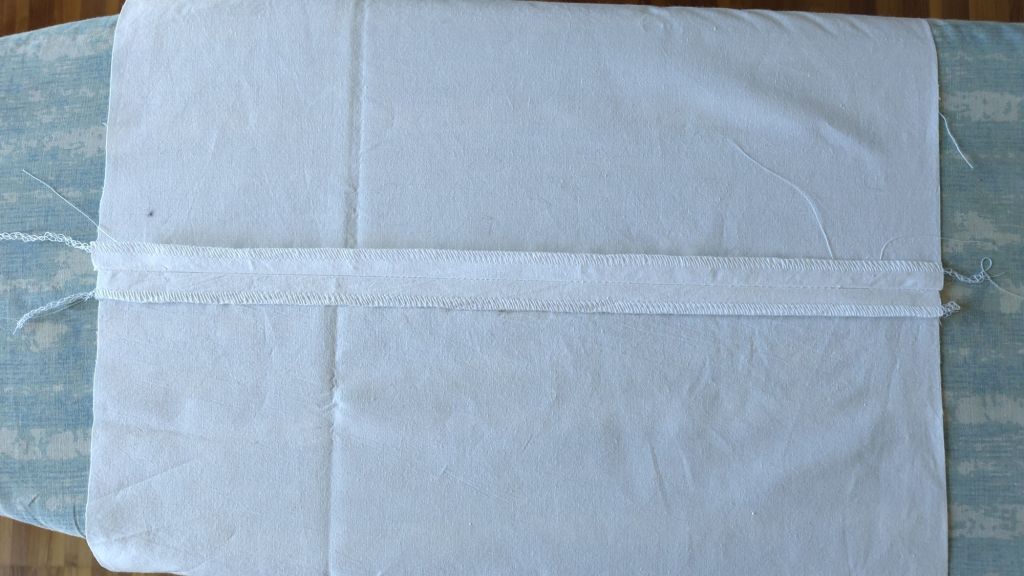
As soon as you turn things inside out, the inside is smaller than the outside, because the thickness of the material is not zero. So sewing is mathematical in 2.5 dimensions. This version of the bottom reinforcement just doesn’t sit well.
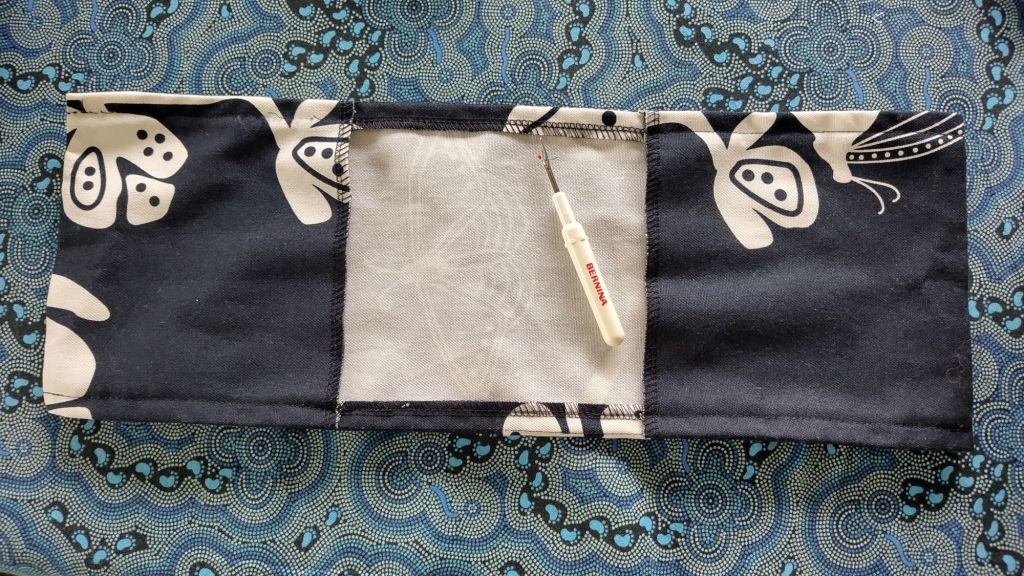
There is no need to “finish” the seams by folding them over. It just adds bulk in the third dimension.
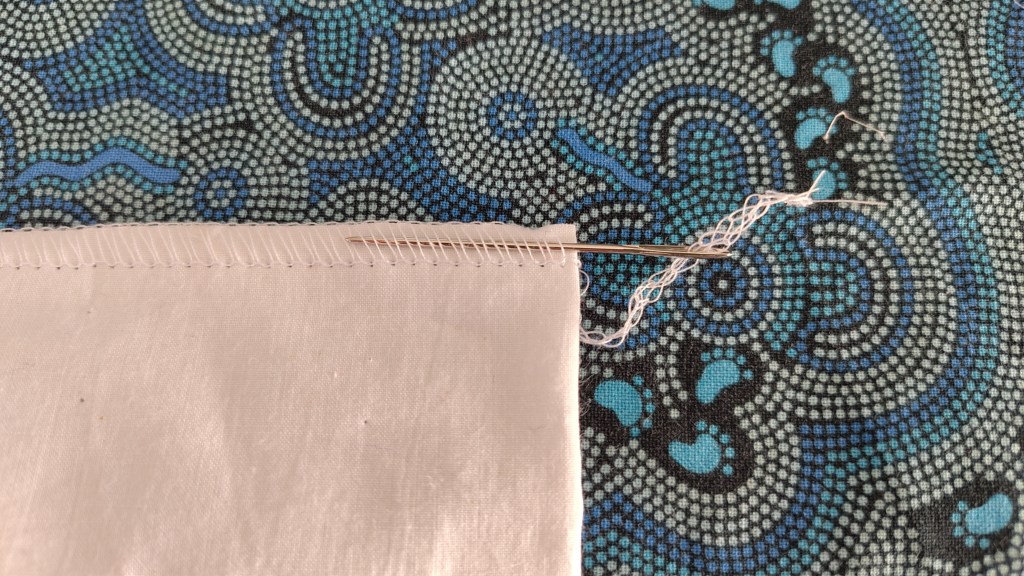
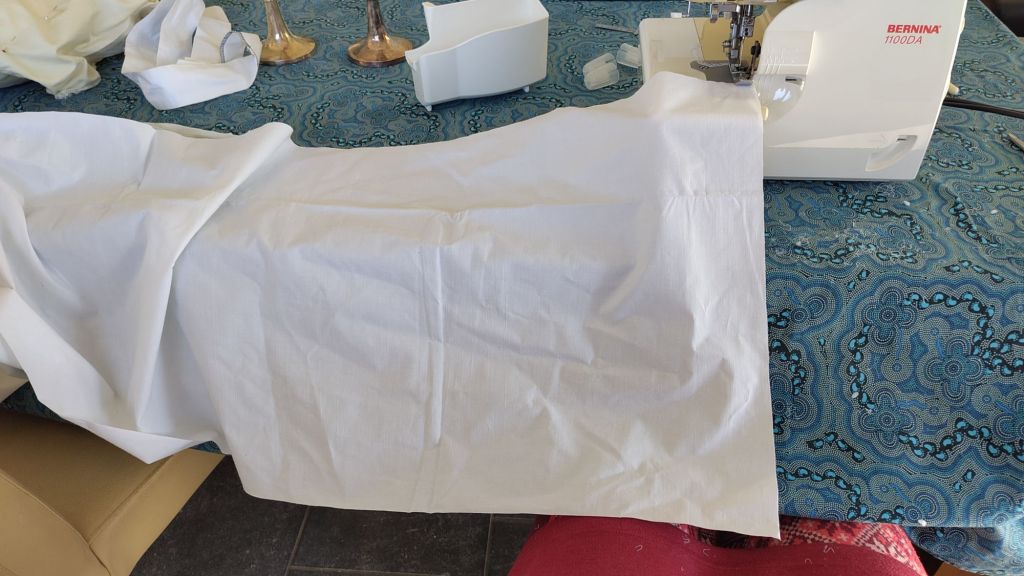
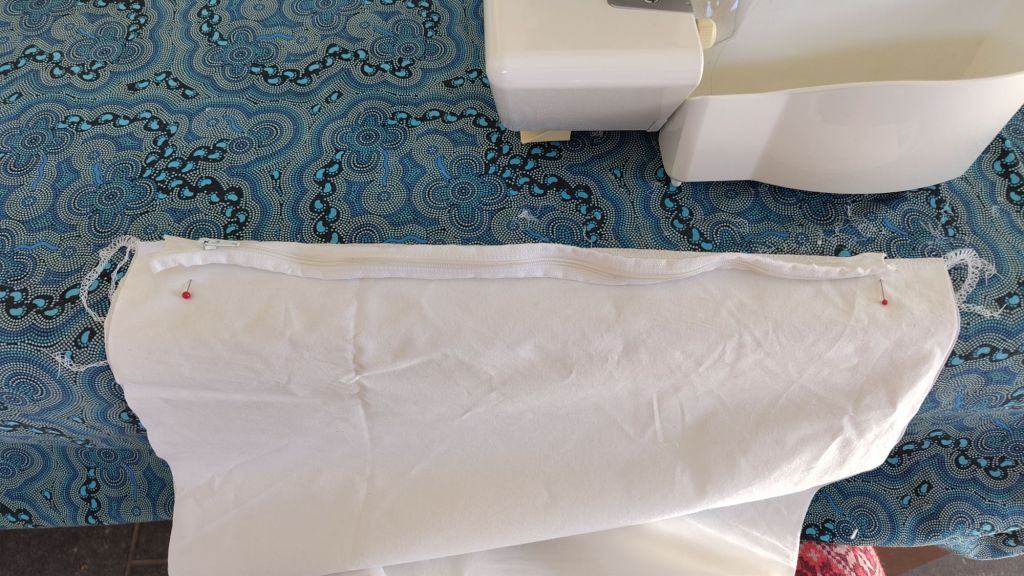
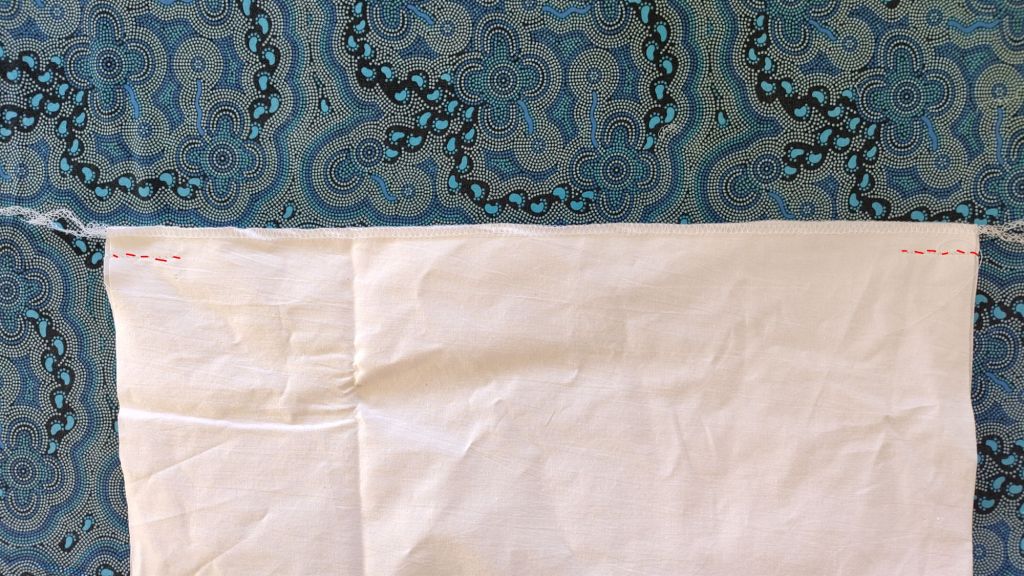
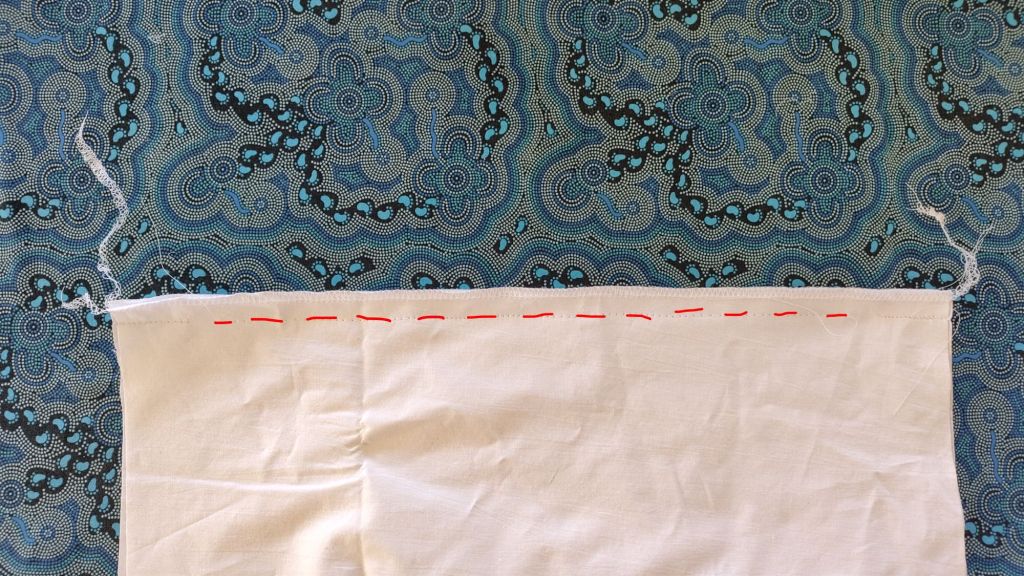
To do:
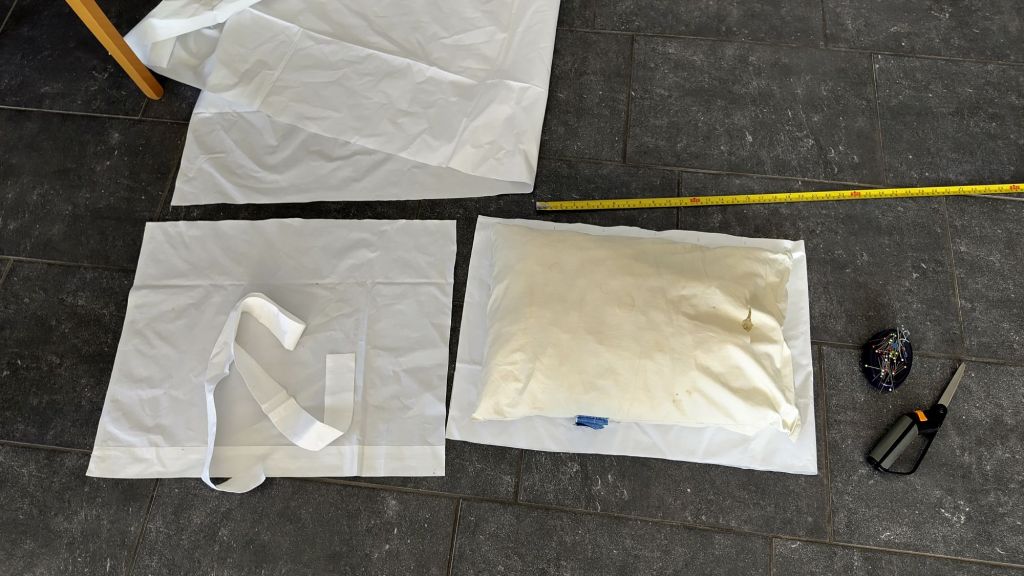
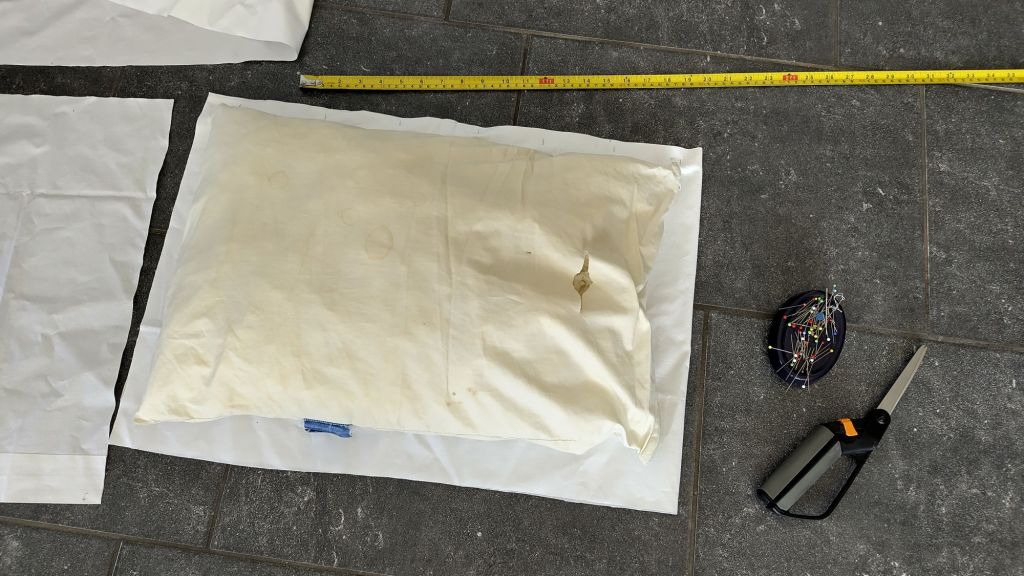
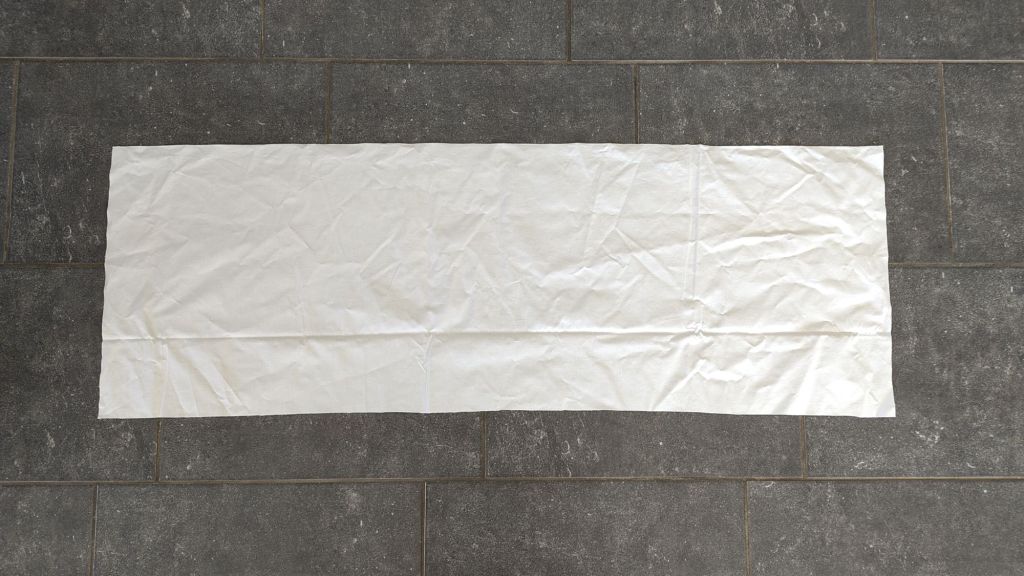
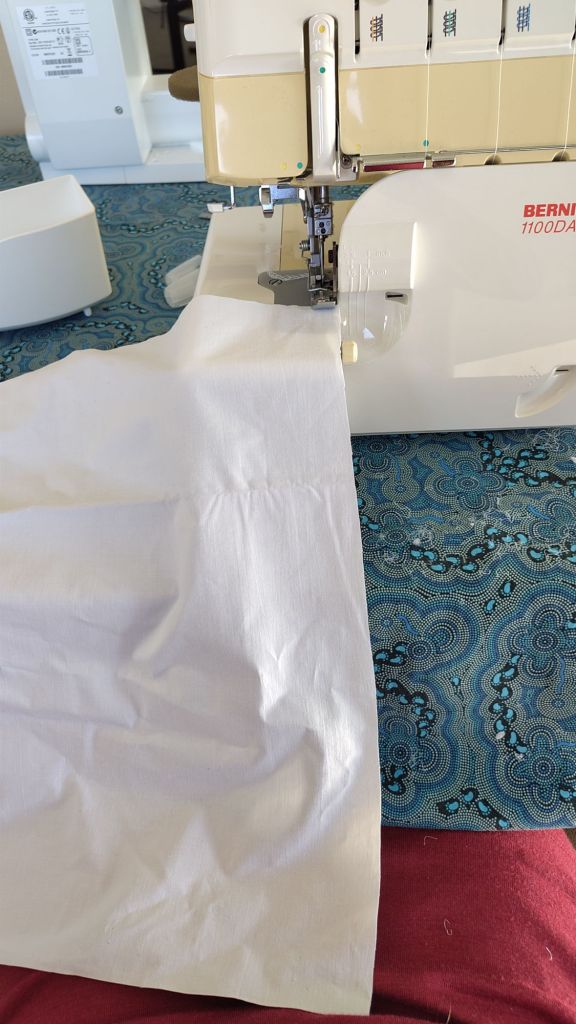
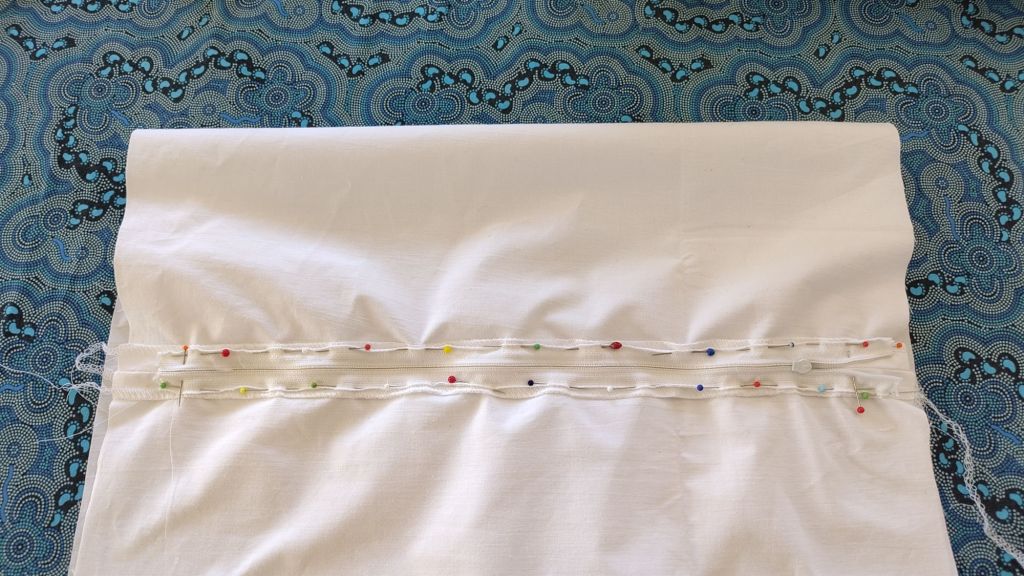
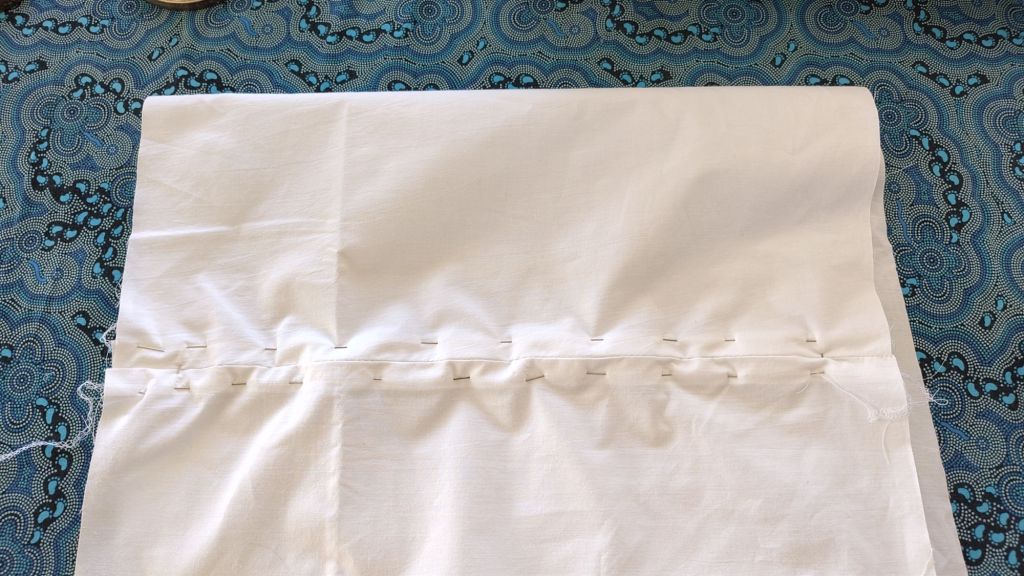
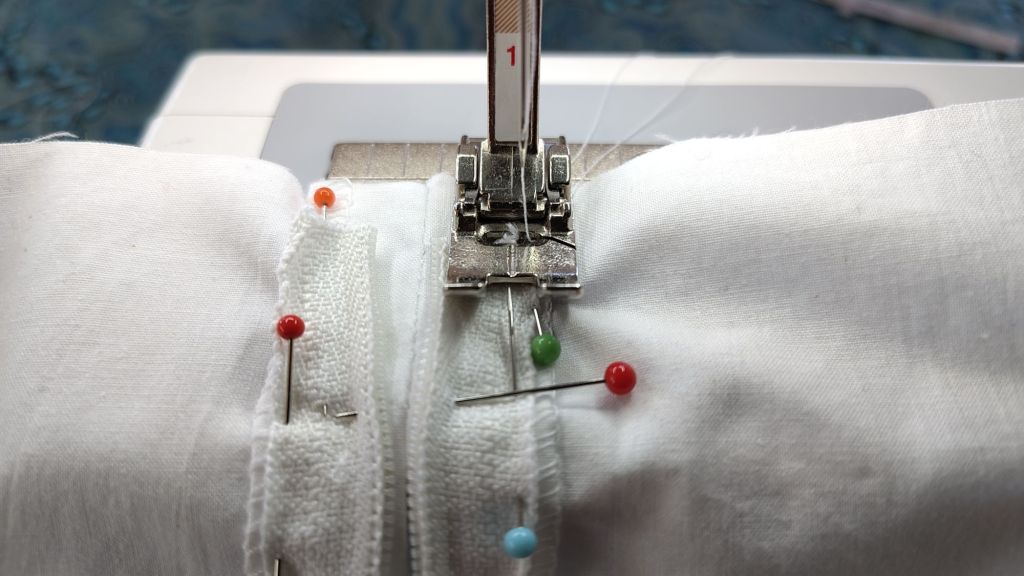
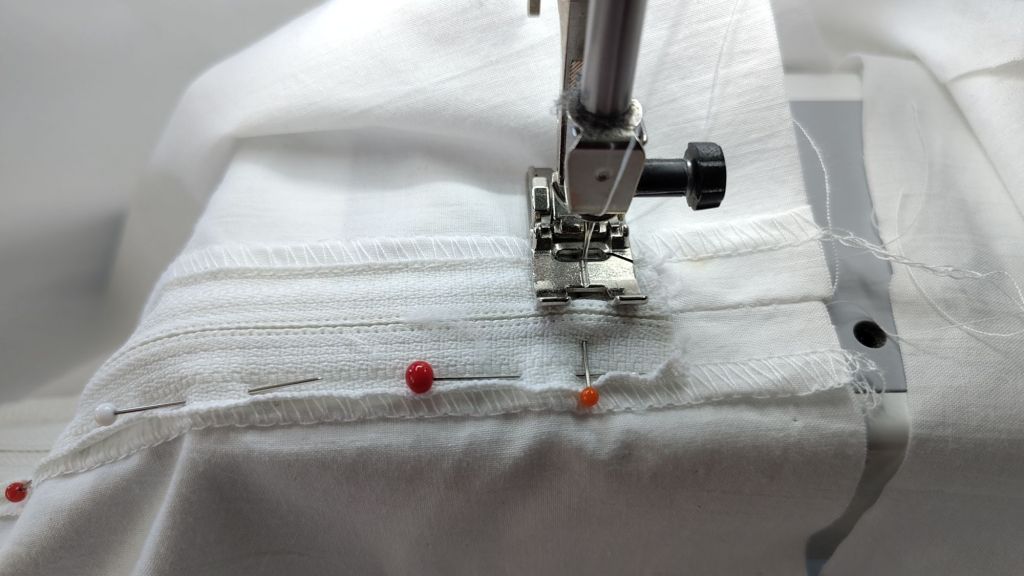
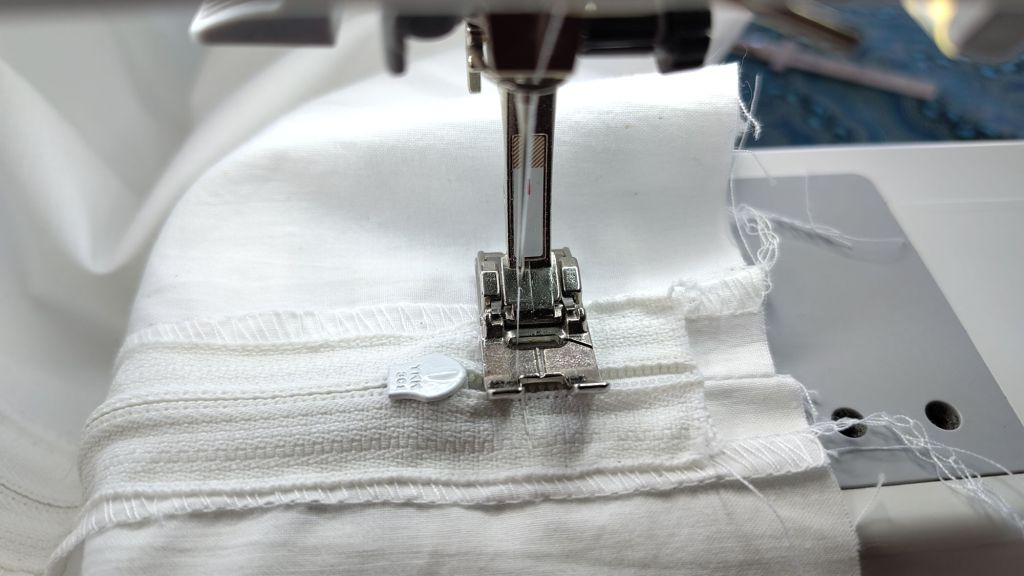
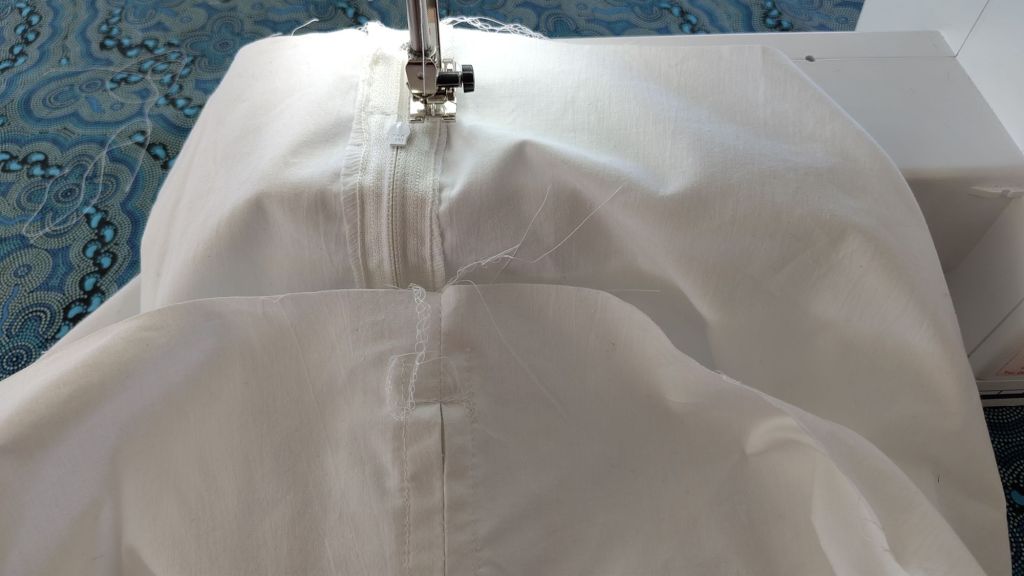
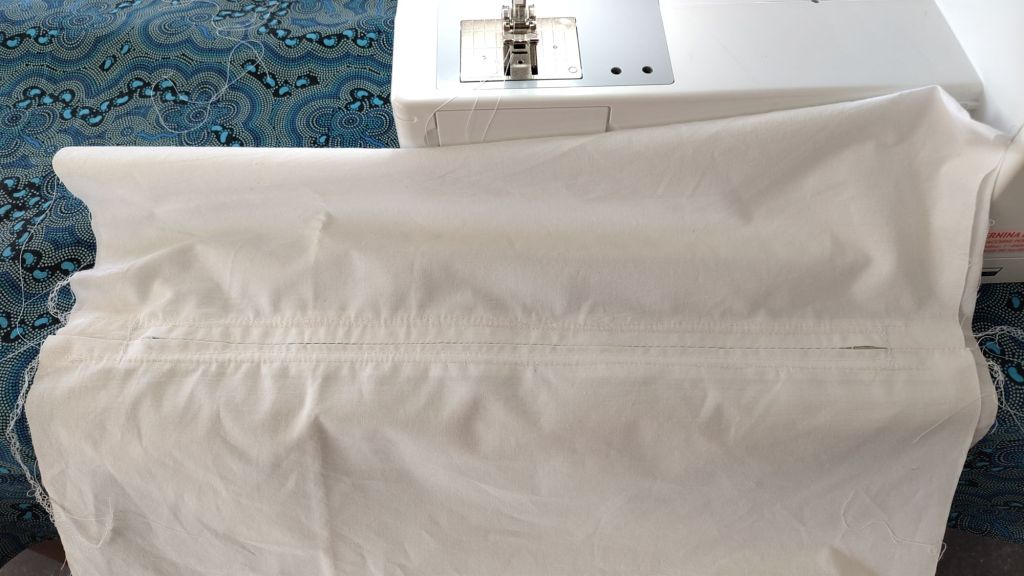
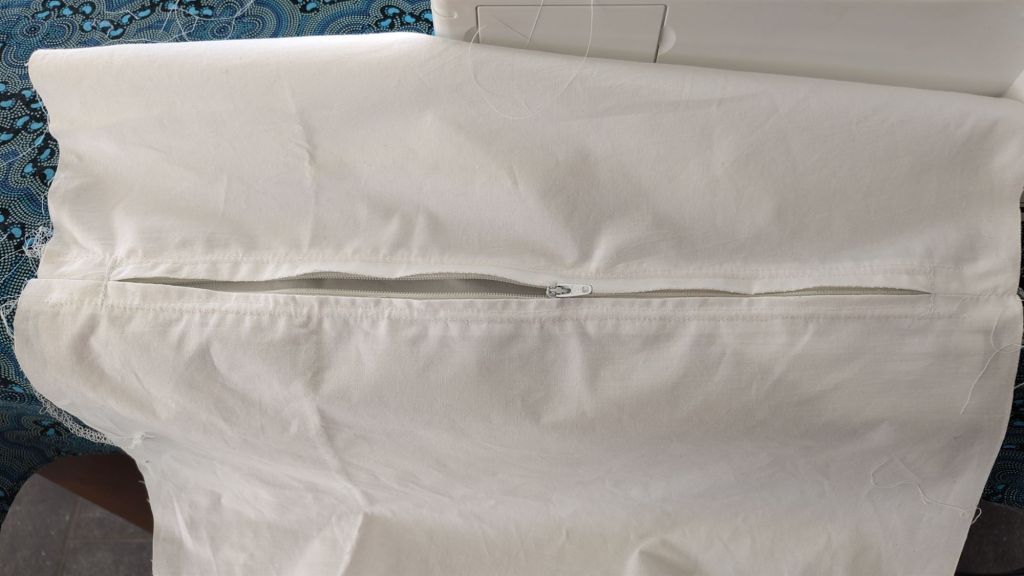
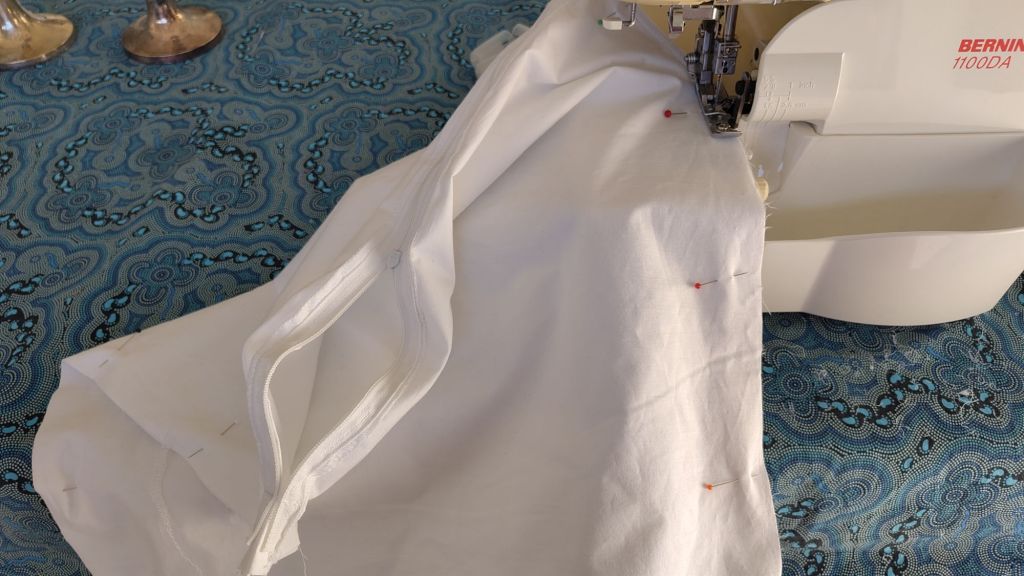
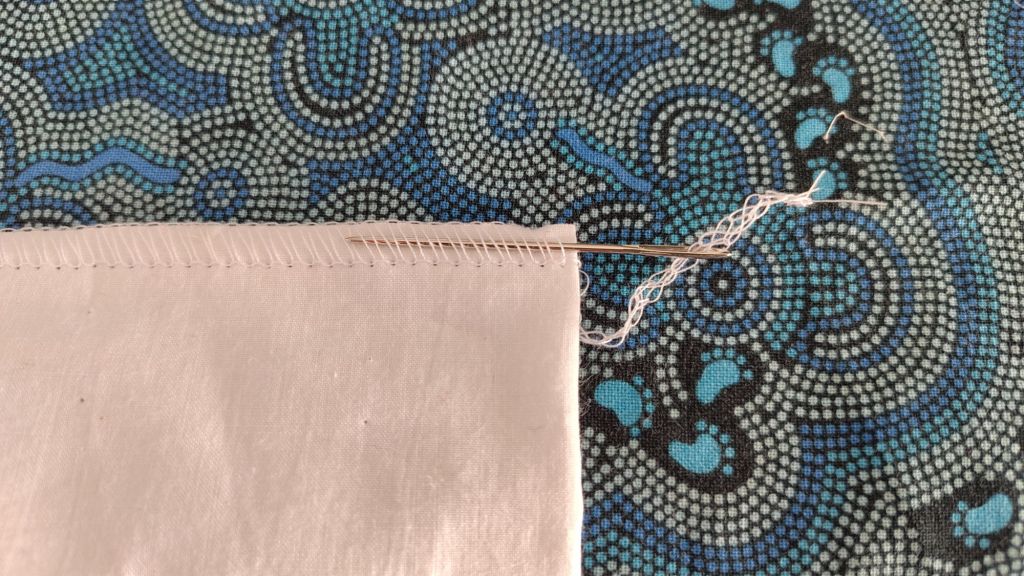
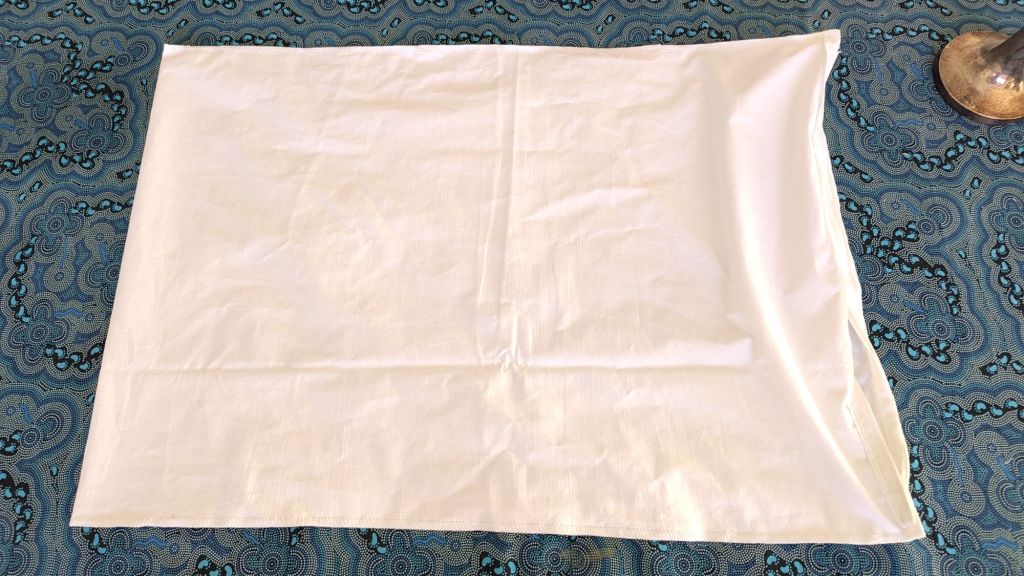
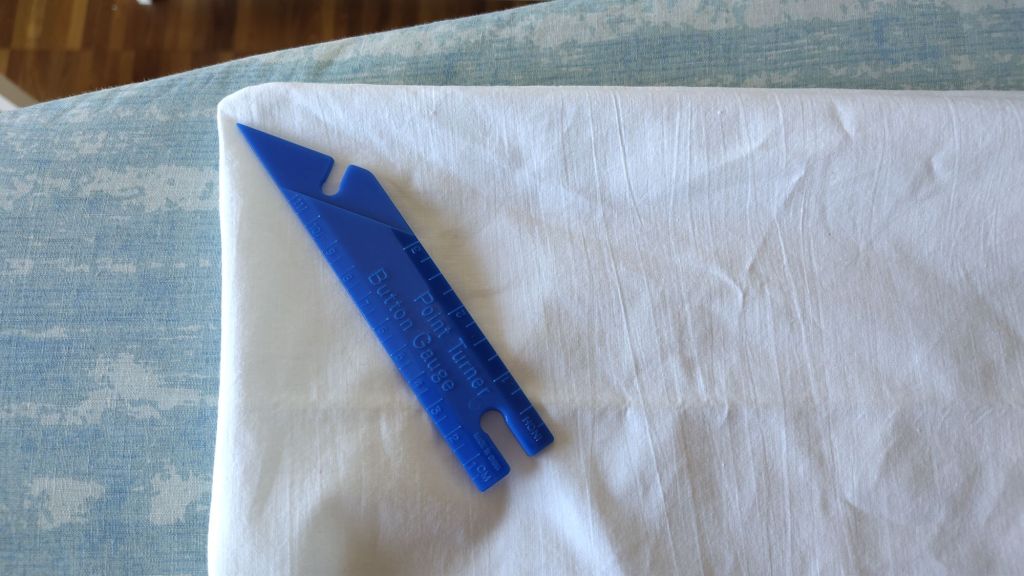
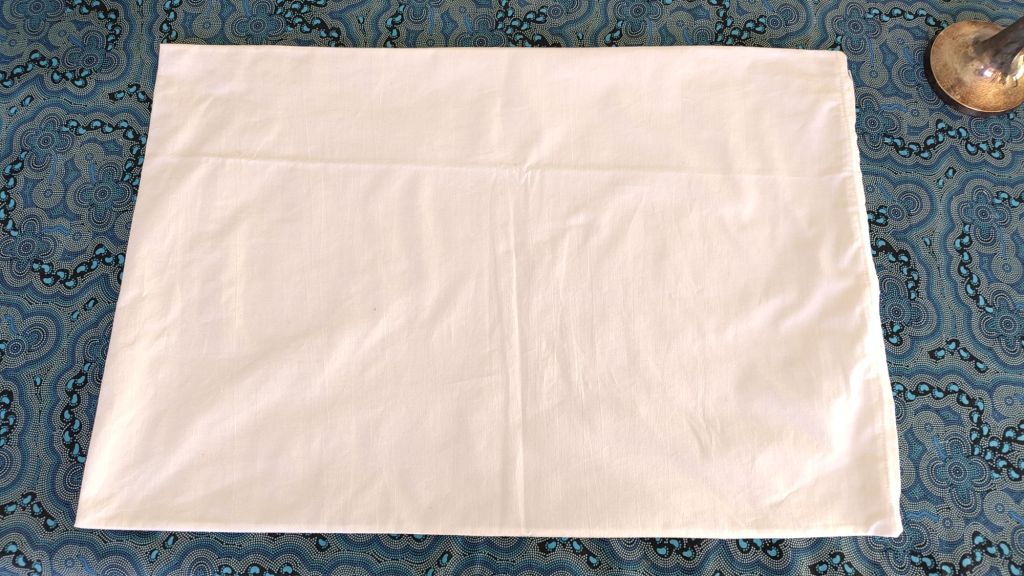
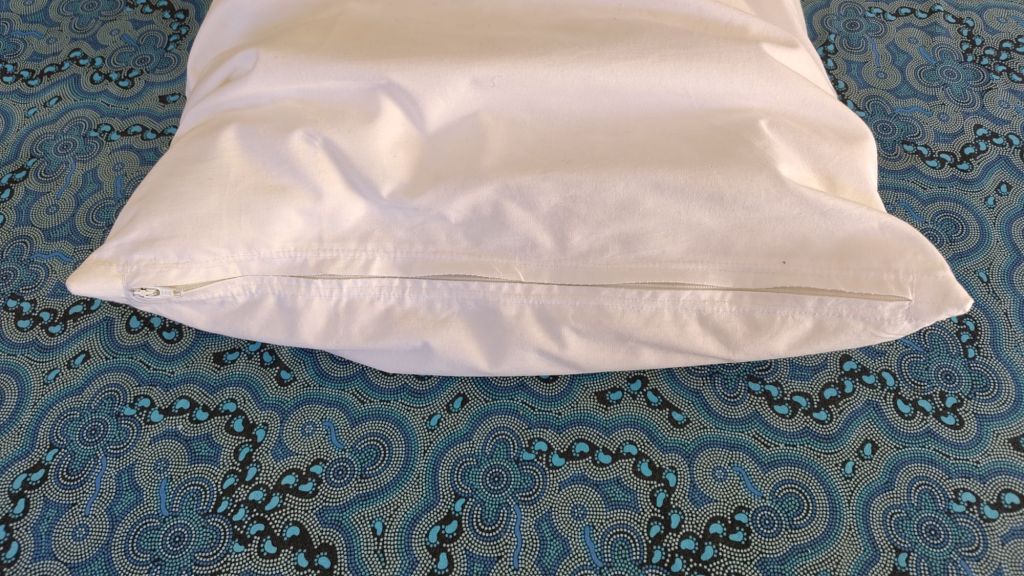
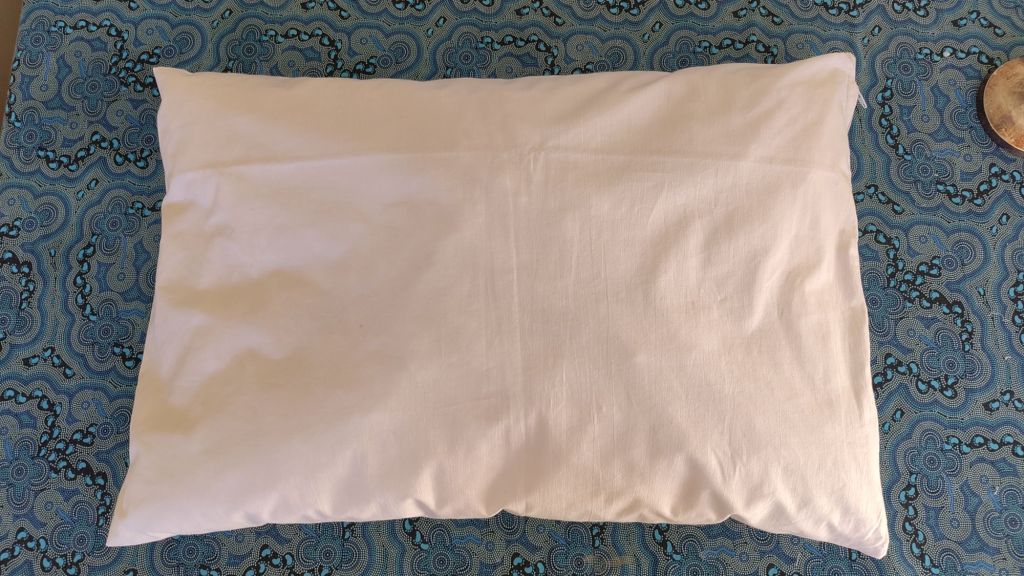
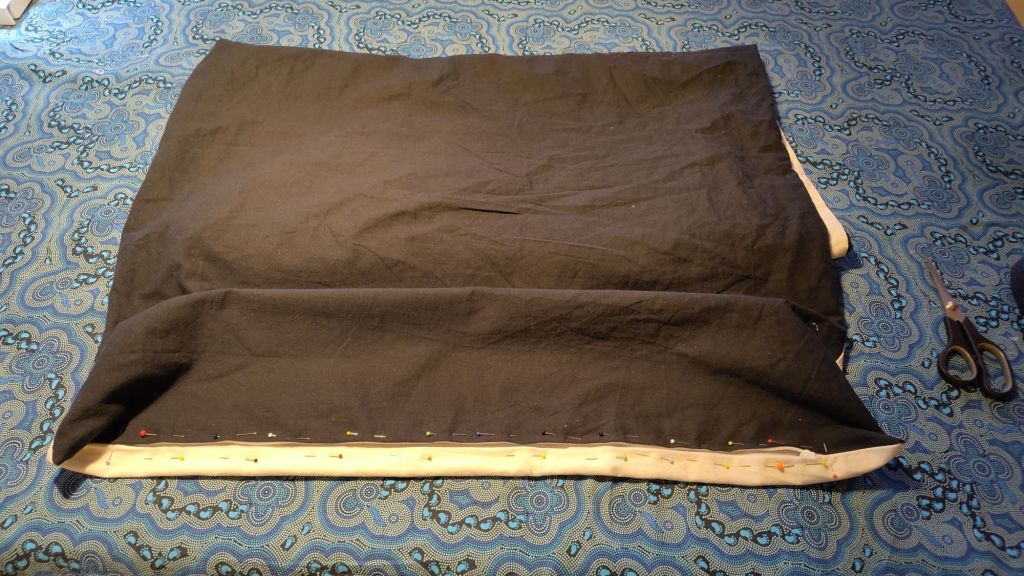
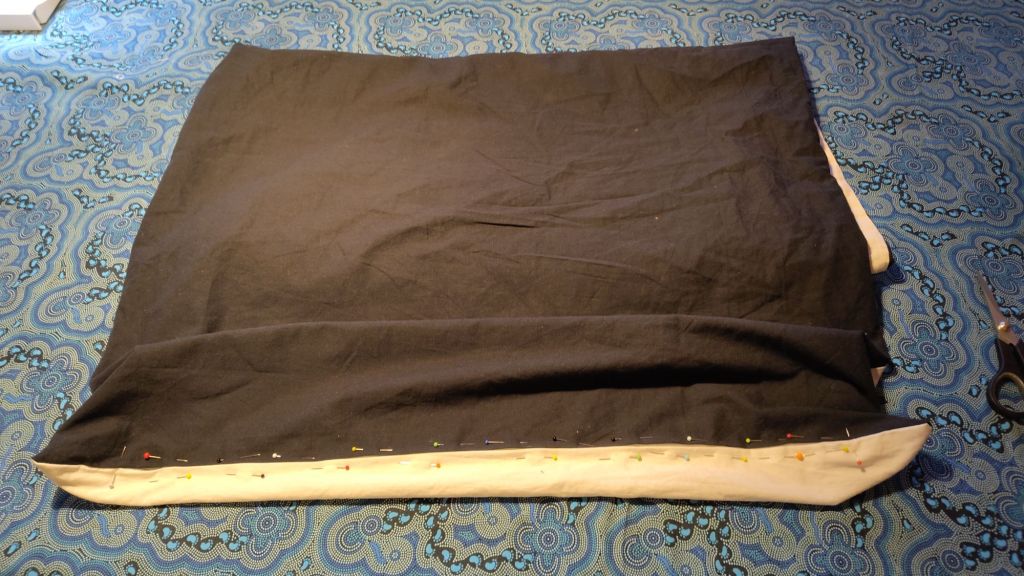
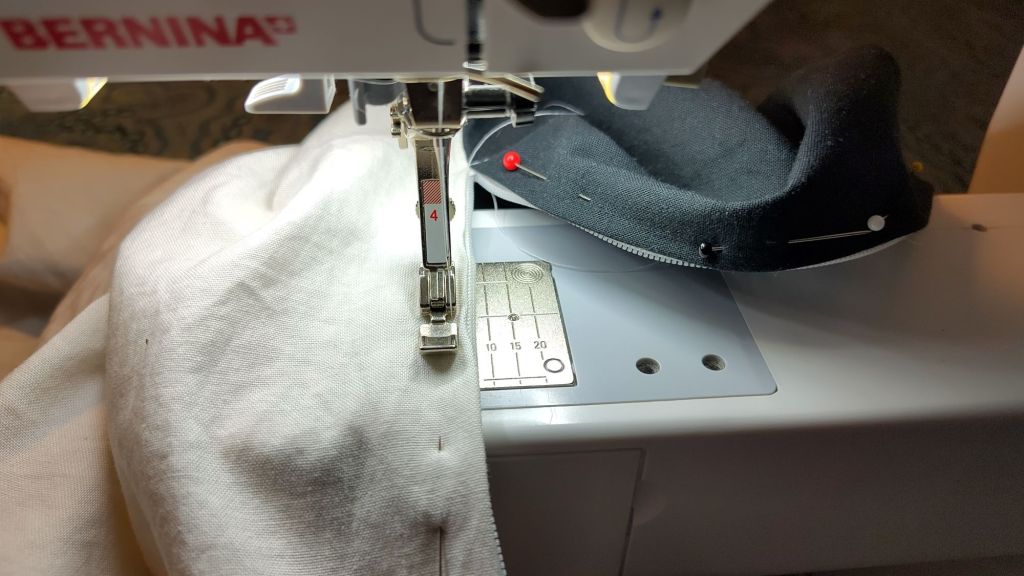
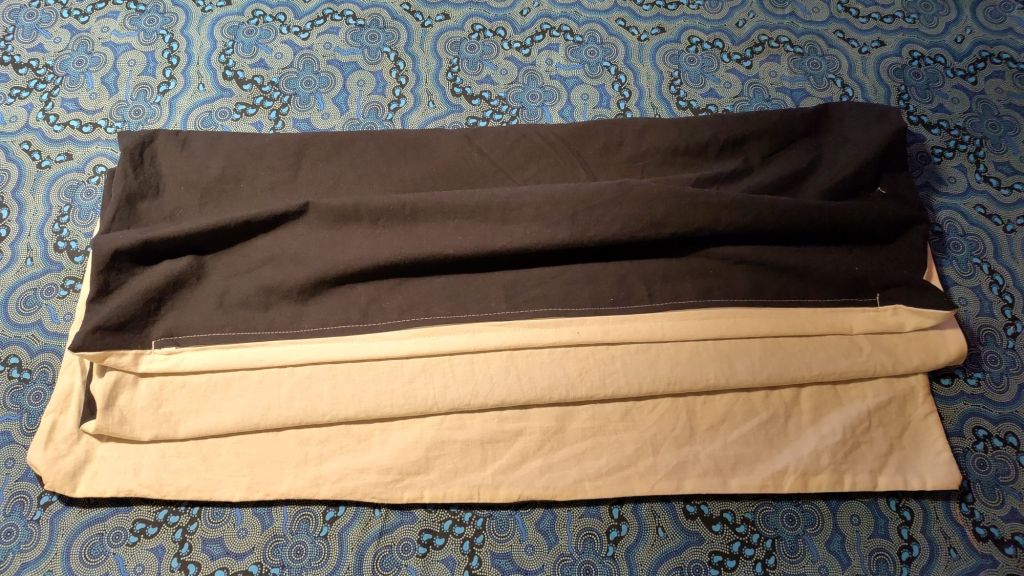
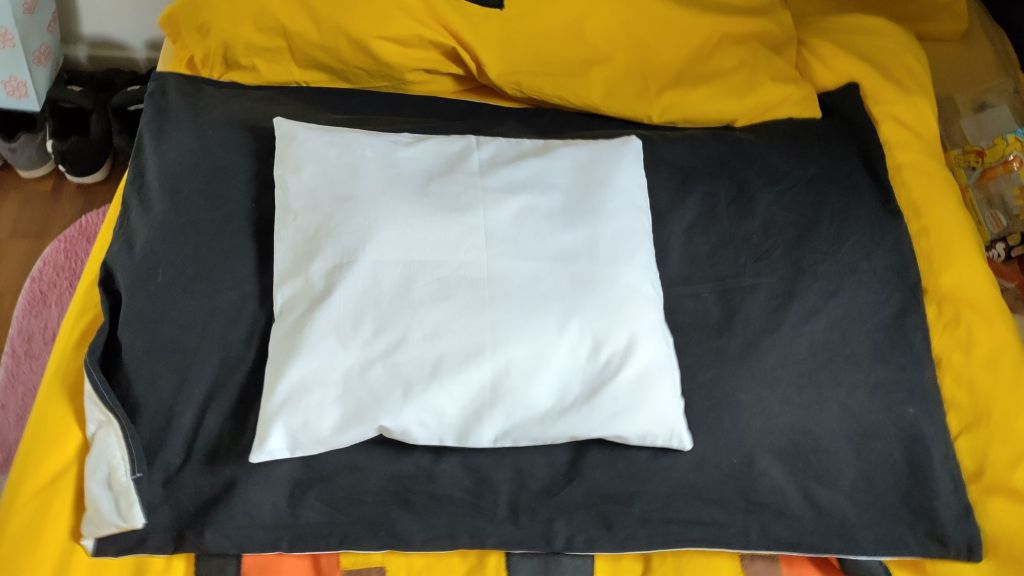
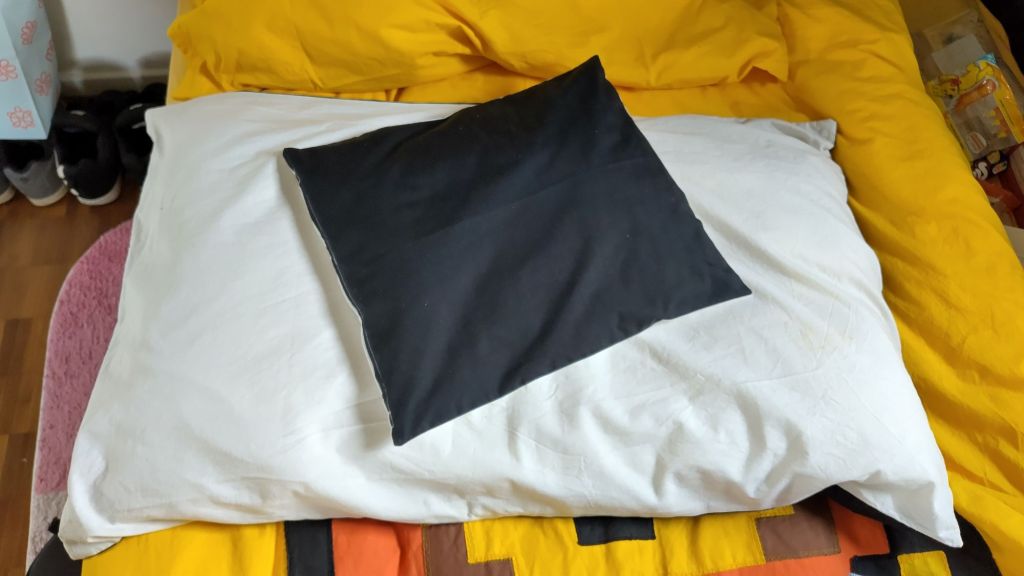
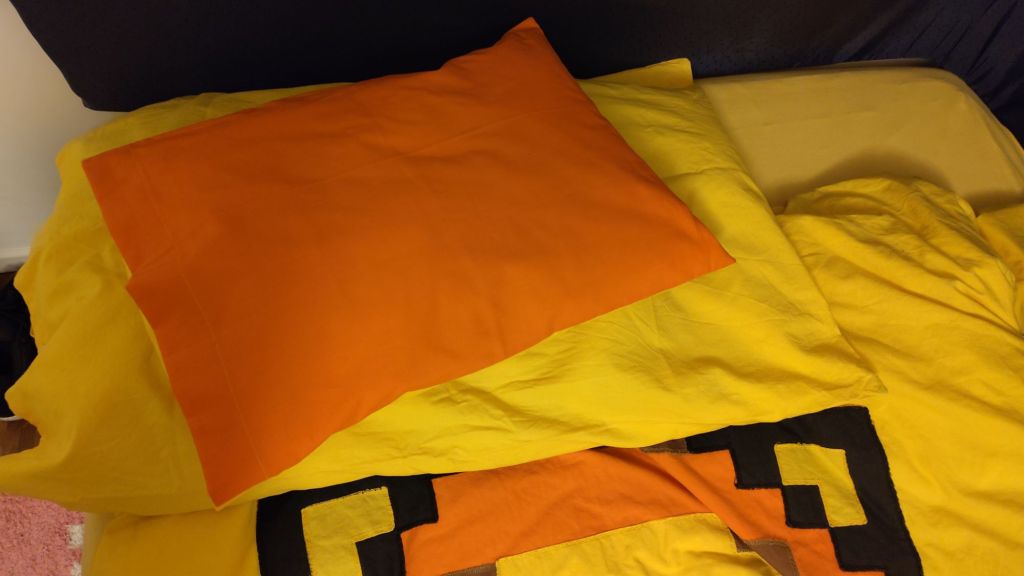
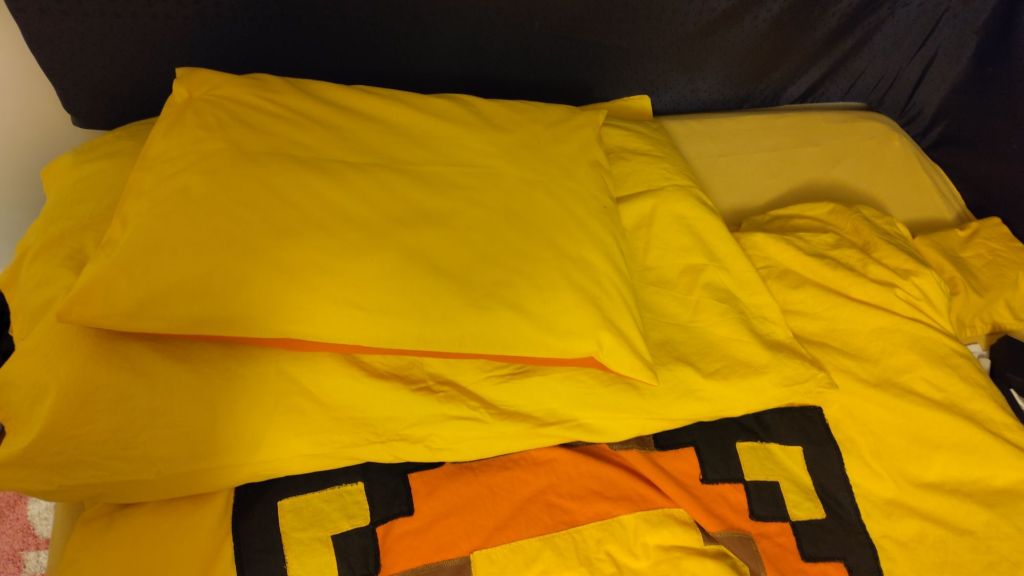
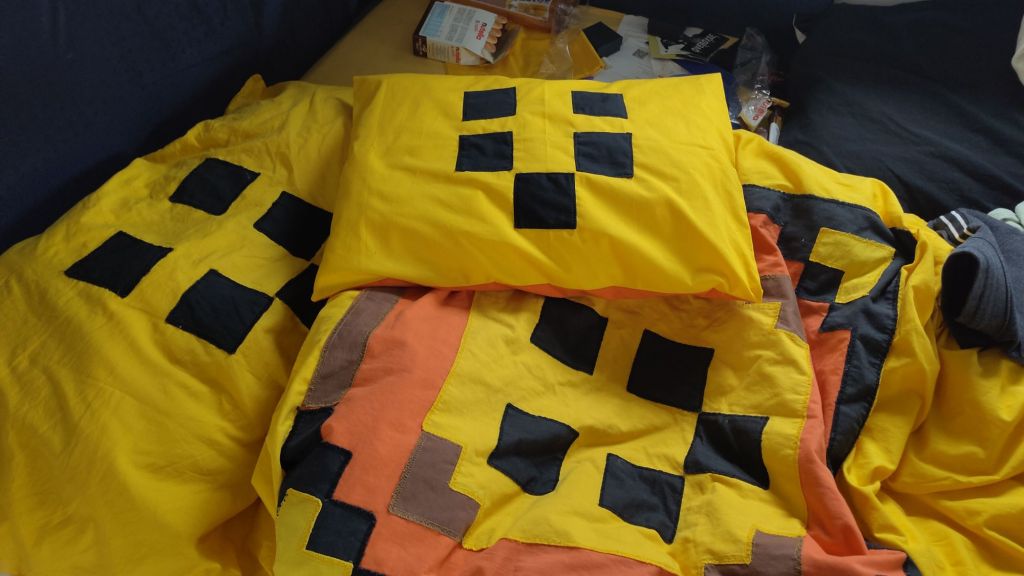
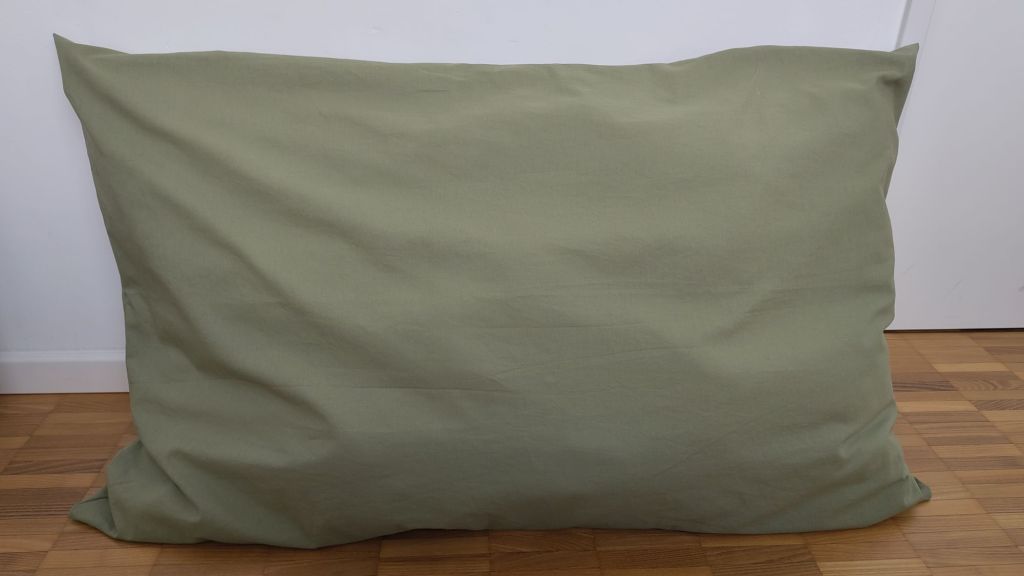
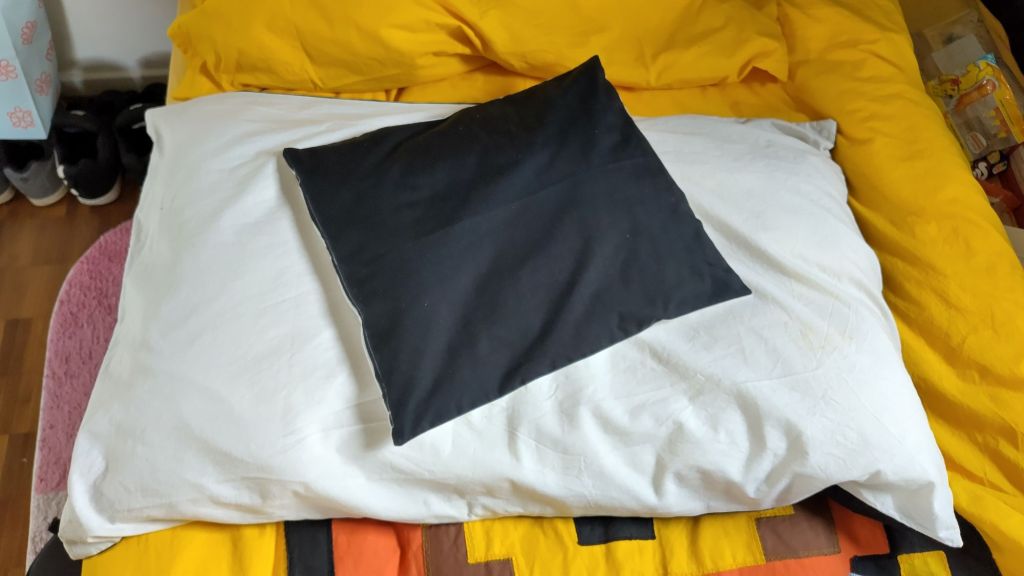
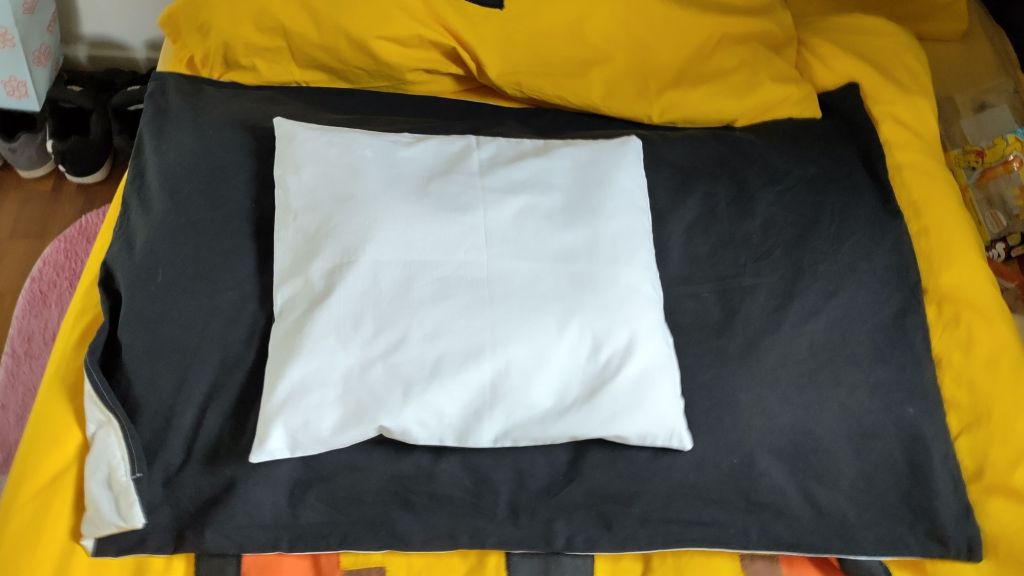
Update: I found a pillowcase that needed a zipper. Since the sides had already been sewn shut, I had to sew the zipper in while it was open.
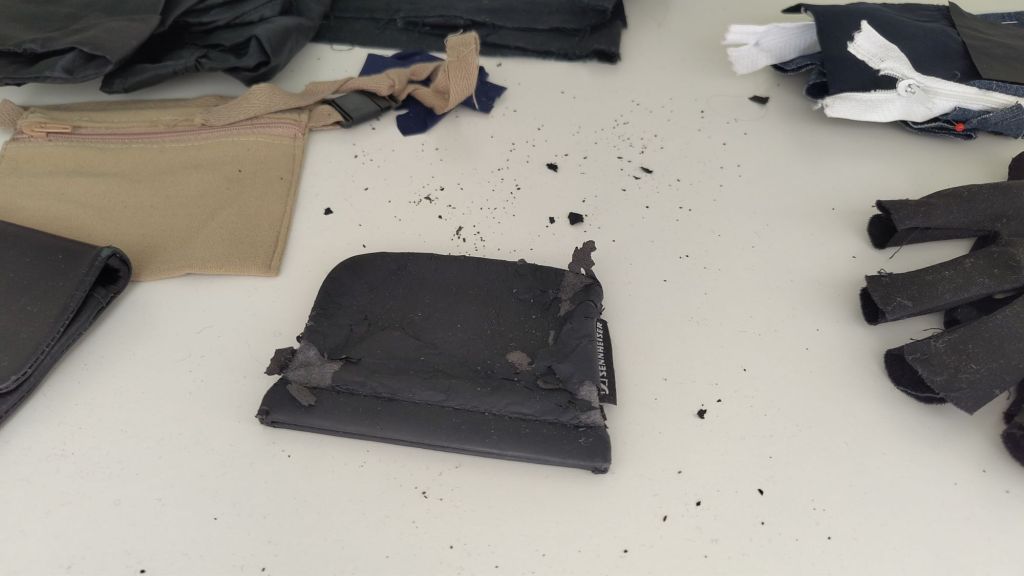

My earphones get tangled up all the time. My wireless earphones get lost. Is it worth it to reconstruct this baggy to protect my earphones?
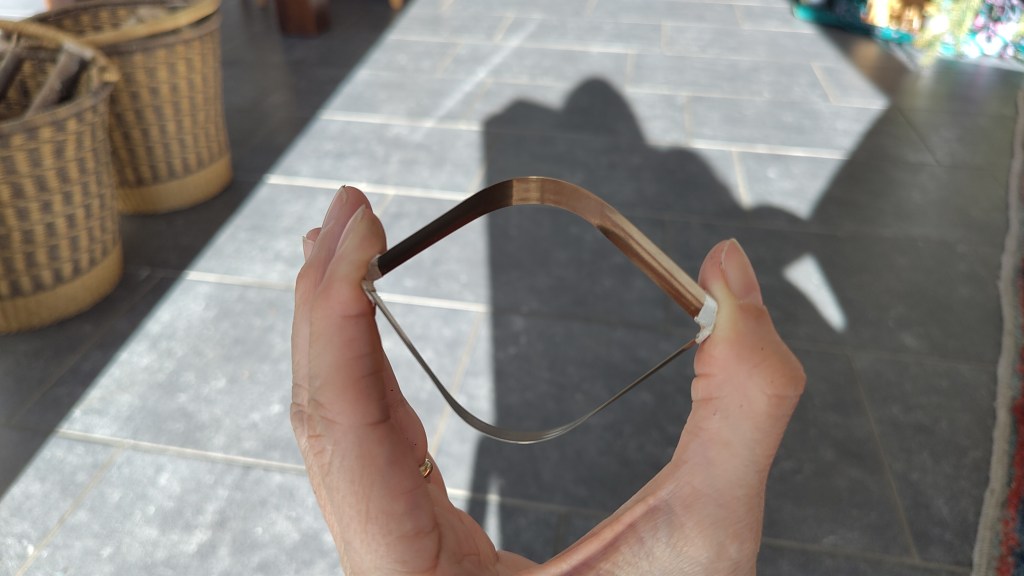
What is the magic behind this cool closure system?

How was the baggy constructed? Would it be possible to turn the baggy inside out? I think that would be difficult and put a lot of stress on the seams.
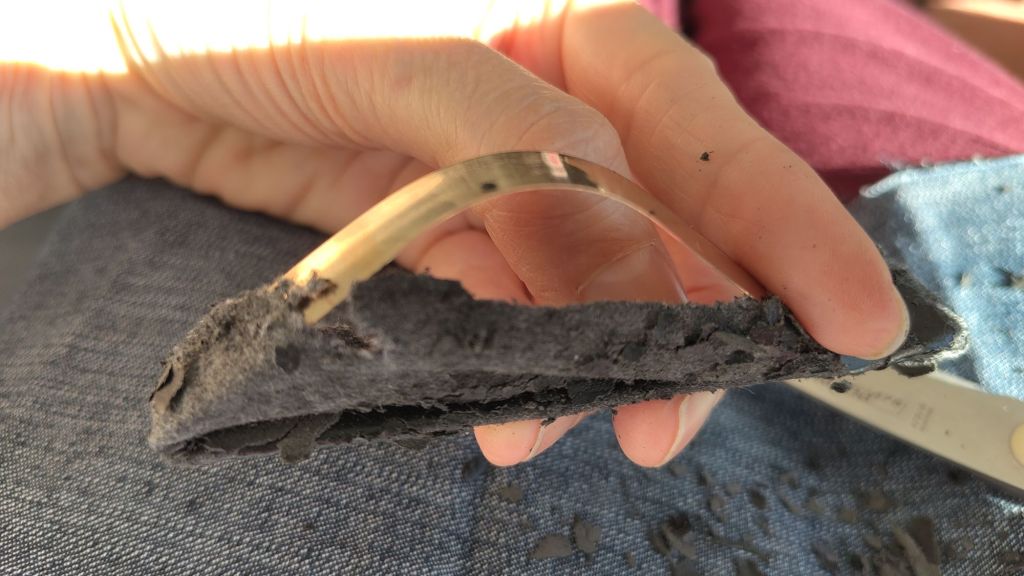
What if I use dyneema instead of jeans material?
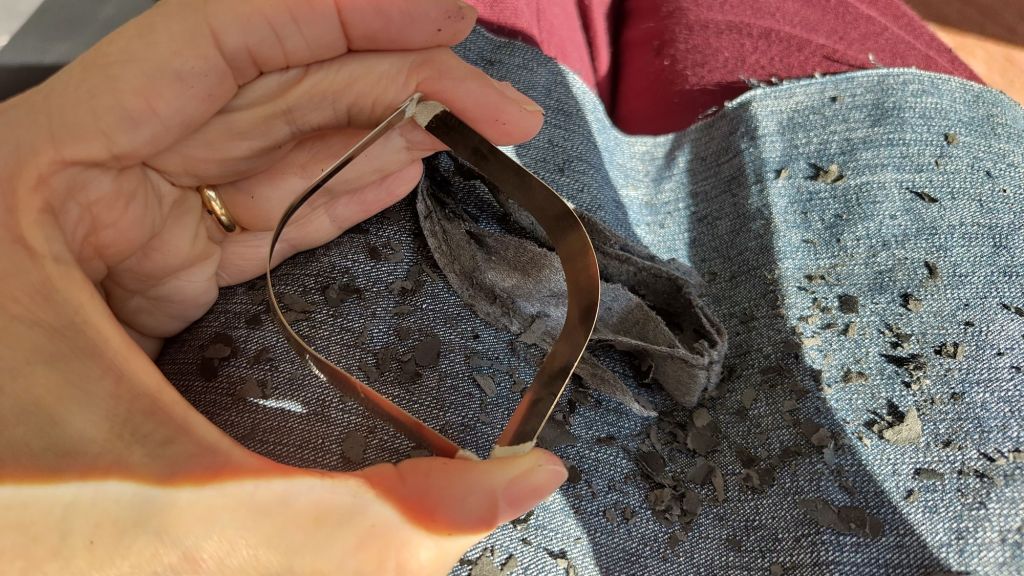
Let me think about what to construct with it while going for a bike ride.
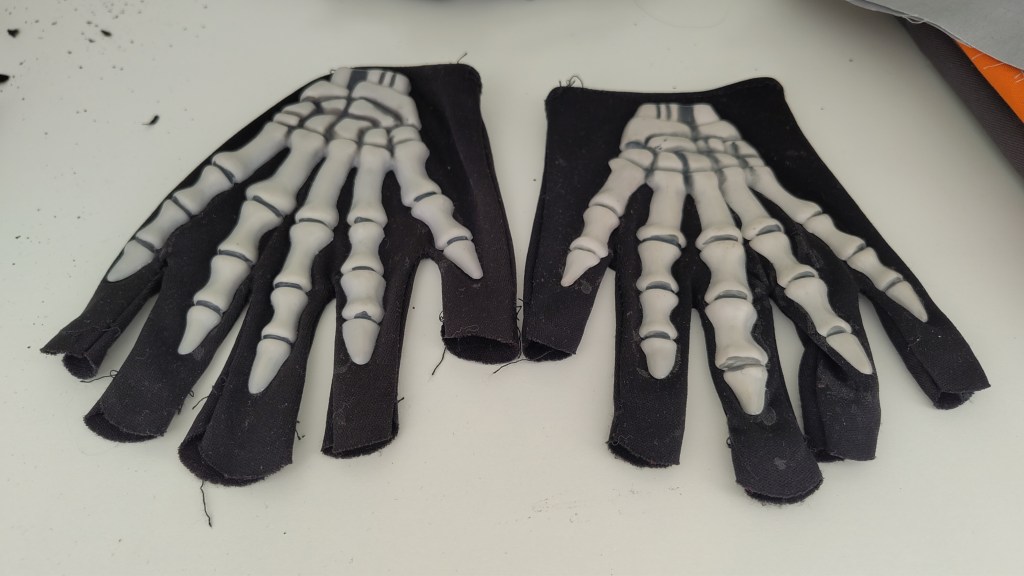
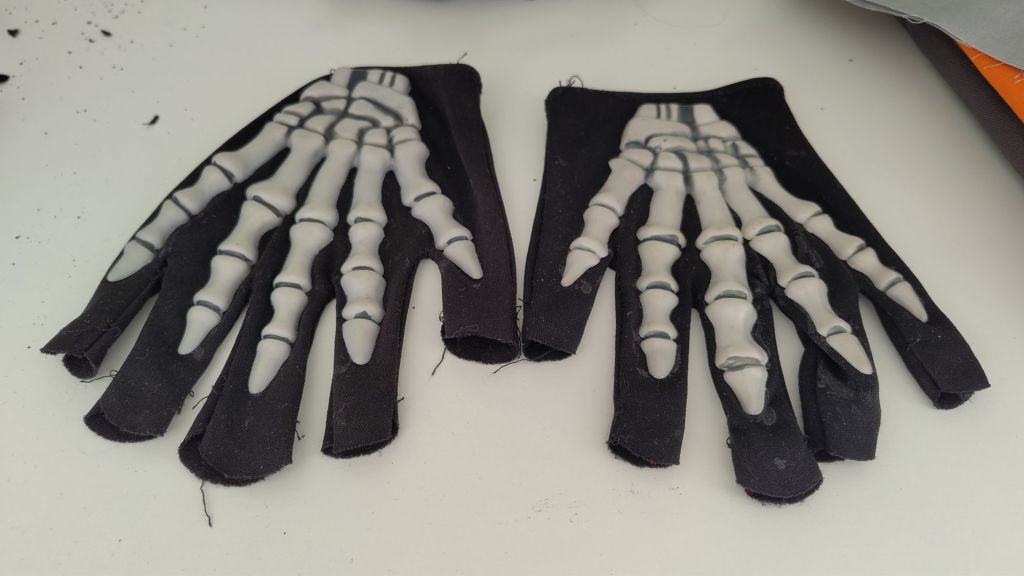
Here are some of the very old fixing projects haunting my cupboard:

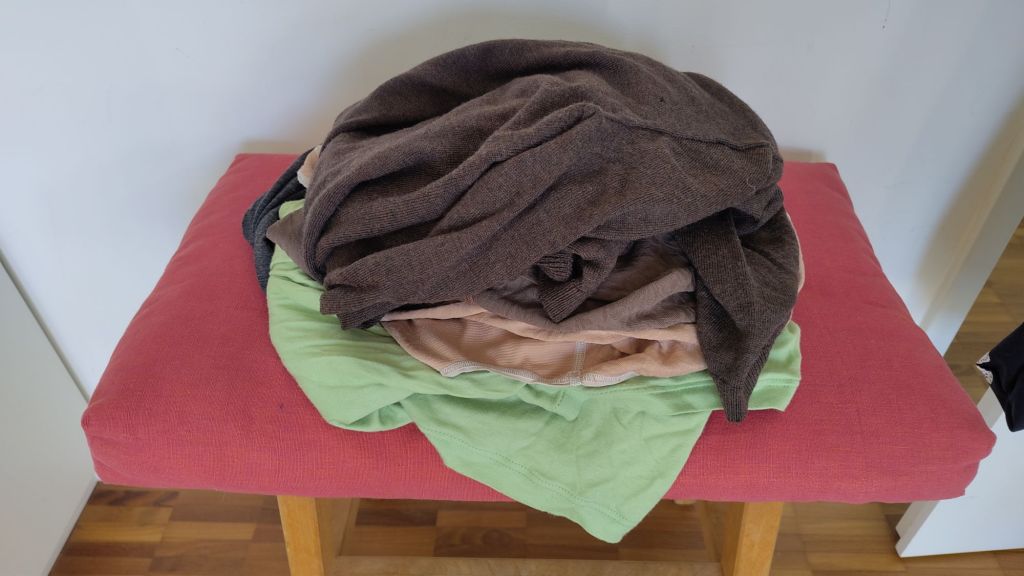



How to spend it, and my time, wisely… How does spending time mending stuff compare with spending time with friends & family or exercising or doing something meaningful?
P.S. The term “life energy” comes from the book “Your Money or Your Life” by Vicki Robin and Joe Dominguez. A great concept. She blogs about finding meaning in your life and social innovations.
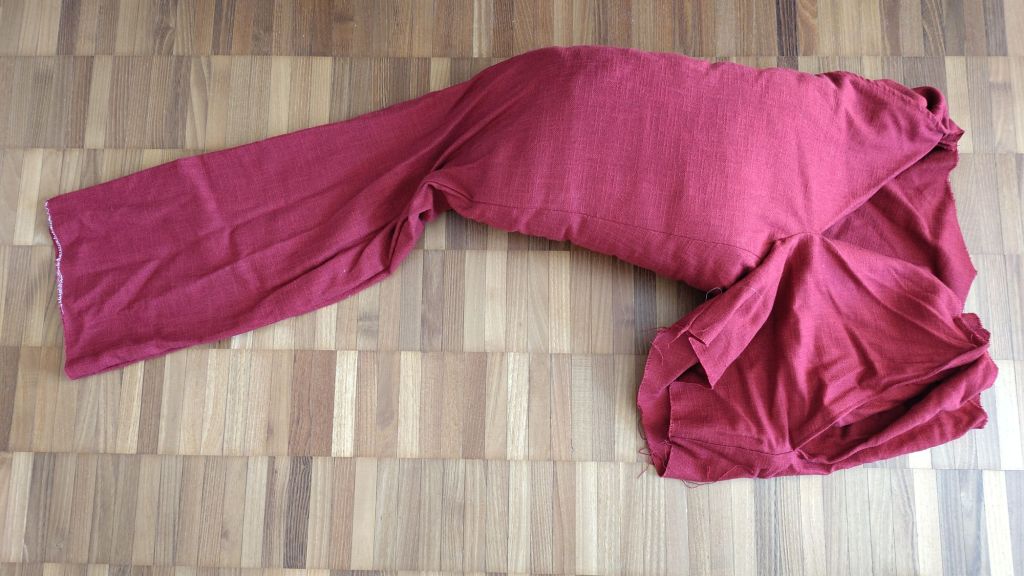
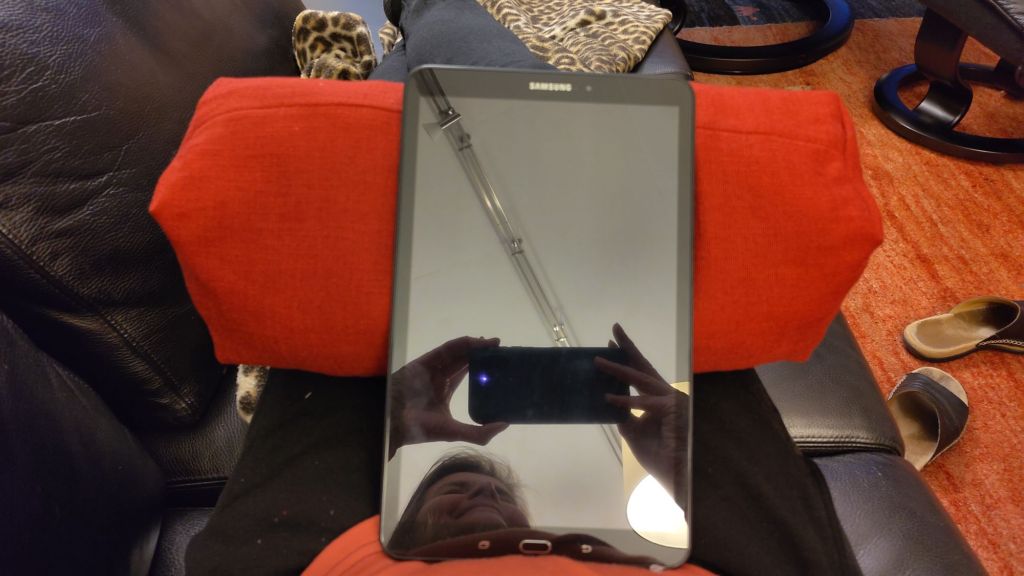
Update: red linen tablet pillow done:
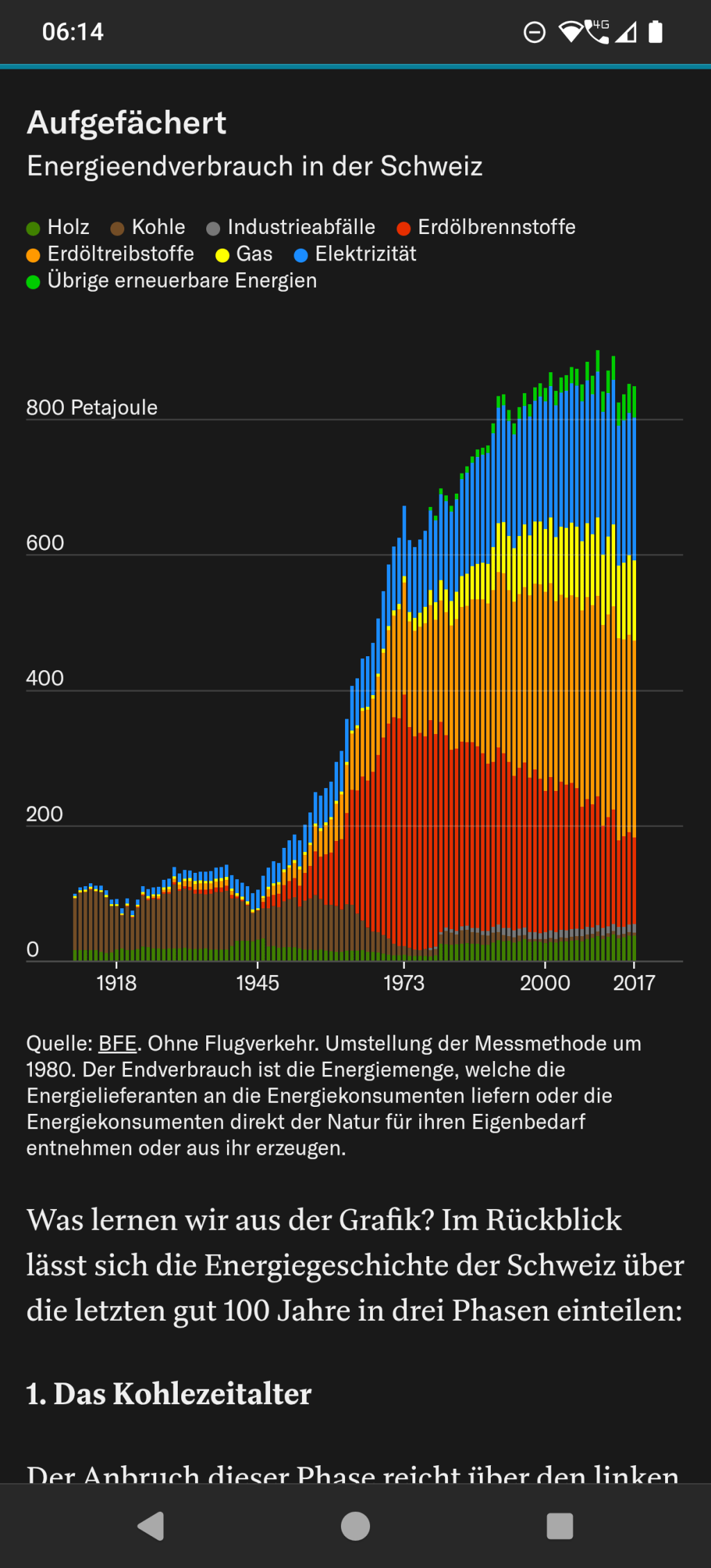
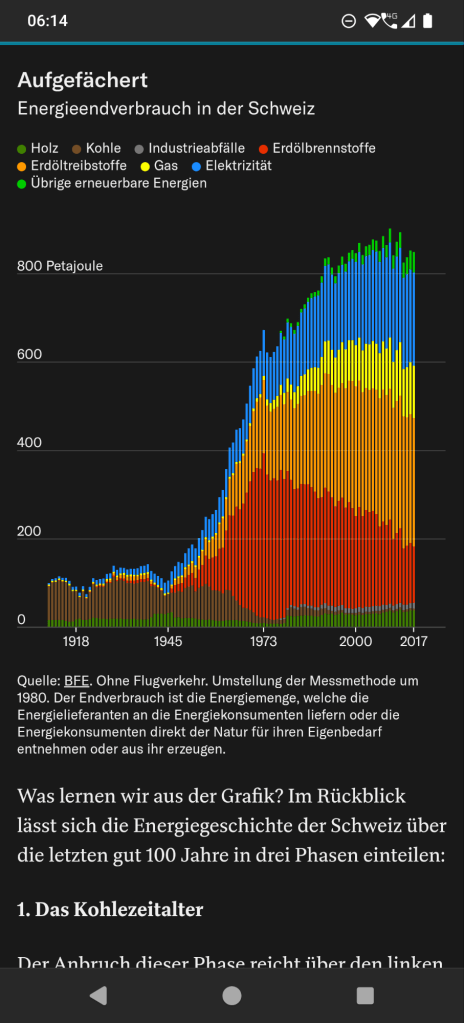
The graph above shocked me. I was aware that we are using much more energy than our grandparents in 1945, but 8 times as much? The graph is for Switzerland but I’m sure the orders of magnitude are the same elsewhere in Europe and North America, and have also risen substantially in the rest of the world.
What parts of my life require more and less energy? How does this compare to how my grandparents lived in 1945?
When I’m on a 5-day backpacking tour, I consume the energy to get there by bus, the food that was grown by others and dried by me, the clothing and equipment that was produced by others (and adapted by me). My paternal grandfather did a lot of backpacking in the Andes as a botanist. His equipment undoubtedly required much less energy to produce than mine. He was probably much less comfortable than me on my EXPED Down Mat.
When I’m on a kilometer-1000 bike ride (within 1000 kms from home) I take the train there and sleep in hotels and hostels, eating in restaurants. That consumes more energy than camping but is definitely more comfortable, even with modern gear. The hot shower after a long bike ride feels fantastic! (But the views are less interesting.)
Of course flying to Canada and Holland uses up an enormous amount of energy, keeping me and a hundred other people up in the sky for hours. As much as I love flying, I’m not very comfortable doing it anymore. I used to want to get my pilot’s license but have put those dreams away. There are other hobbies that are also fulfilling and less energy consuming.
Taking the night train to Holland has been wonderful. I’ve met so many cool women in the sleeping compartments.
Driving to visit family with all four of us in the car … How does the energy use compare to if we had taken the train?
I’ve bought some wool clothing lately, to be nice and cozy at home. I had an urge to wear colorful, happy clothing instead of the drab grey WFH sweats I wore for years. I’m sure I have way more trousers than my grandfather had. Not just 8 times more but rather 80 times more over my lifespan.
I do love optimizing things and acquiring the perfect new piece of equipment or clothing (or at least with the ability to be perfected). I buy many things second hand, but that turns quickly into too many things, stuff I don’t really need.
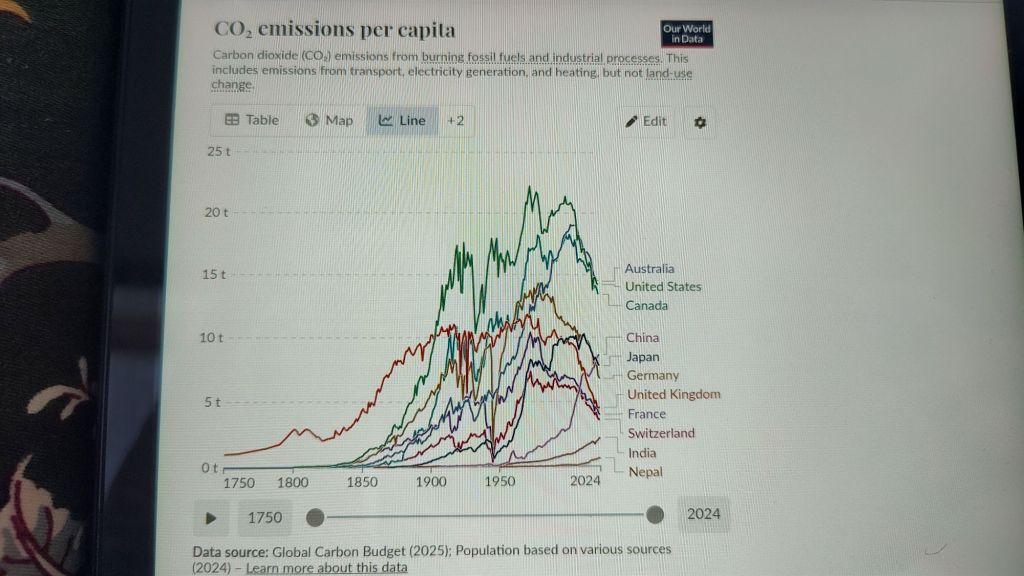
My studio feels better with less, allowing for more creativity. How can I have a cool and interesting life without using 8 times the energy that my grandparents did?
Mark Horrell has some ideas:
I’ve decided to call the room I used as my WFH office from 2012-2025 my “studio” now, to reflect the more creative work, rather than corporate work, I’m focusing on.
This provides a guideline to clean up the mouldering old projects in the cupboards in my studio.
For example:
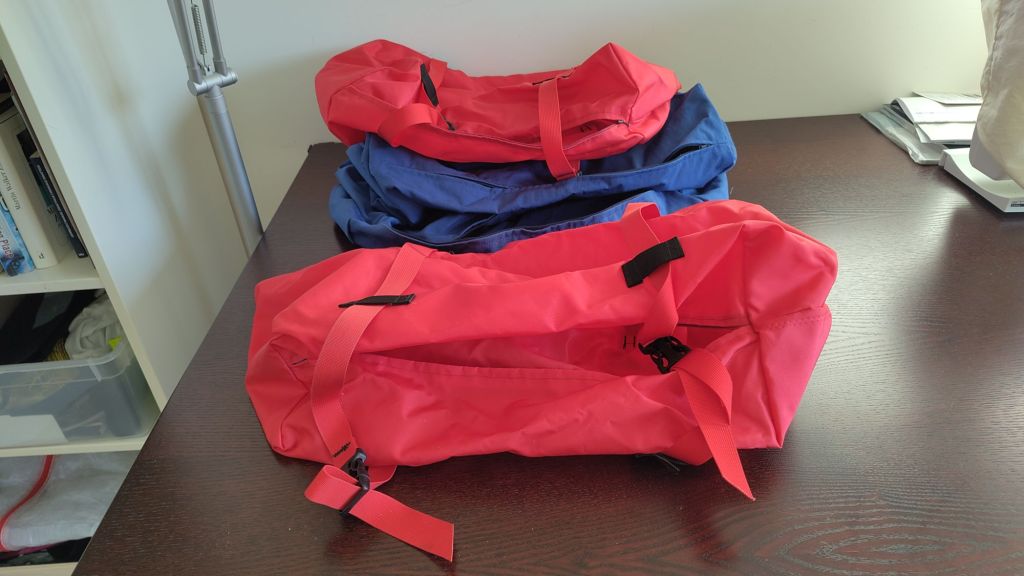
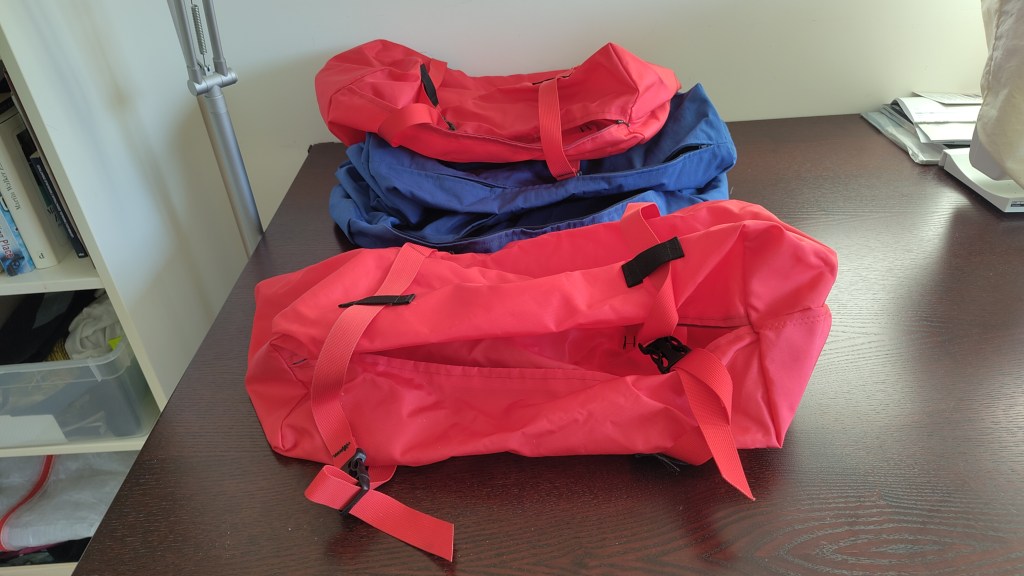
The bags have been haunting me for more than a decade. I made four bags for when we canoed down the Loire river ten years ago in two canoes, a spectacular voyage, camping on the sandy beaches.
They were supposed to provide safe, easy-access waterproof storage under the canoe seat for items needed while canoeing, leveraging the scaffolding of the canoe seat to keep the bag off the inevitably wet bottom of the canoe. But the bags were too floppy, the zippers too short, they were not really waterproof and thus when they sagged down onto the bottom of the canoe, the stuff inside got wet. This was the opposite of what they were meant for. Fortunately we had no rain, so the bag failure wasn’t a big deal. But I’m always thinking about the worst-case scenario as I quickly get miserable when cold and wet.
So I’ve been meaning to “fix” them. But we won’t be going canoeing anytime soon, and if we do paddle down the Ticino River, I would just take a waterproof backpack with me instead of a single-purpose under-the-seat bag. I’ve decided that no more active brain cycles or guilt feelings will be consumed or induced by this project. It was a novel idea, with good intentions, but not worth spending more time to “fix”. Not cool and interesting enough.
Therefore they will be relegated to the “raw material” shelf.
One New Year’s Resolution candidate less. One step closer to having a creative rather than guilt-inducing studio.
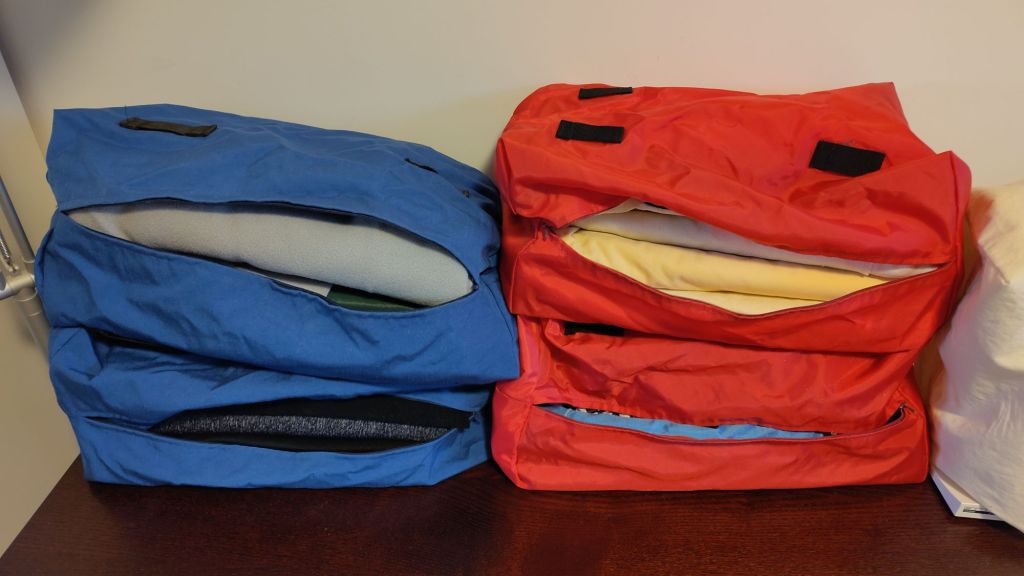
On the bottom right, light blue raw silk brought back from Thailand by my grandfather in the 1960’s, passed on to haunt each generation.
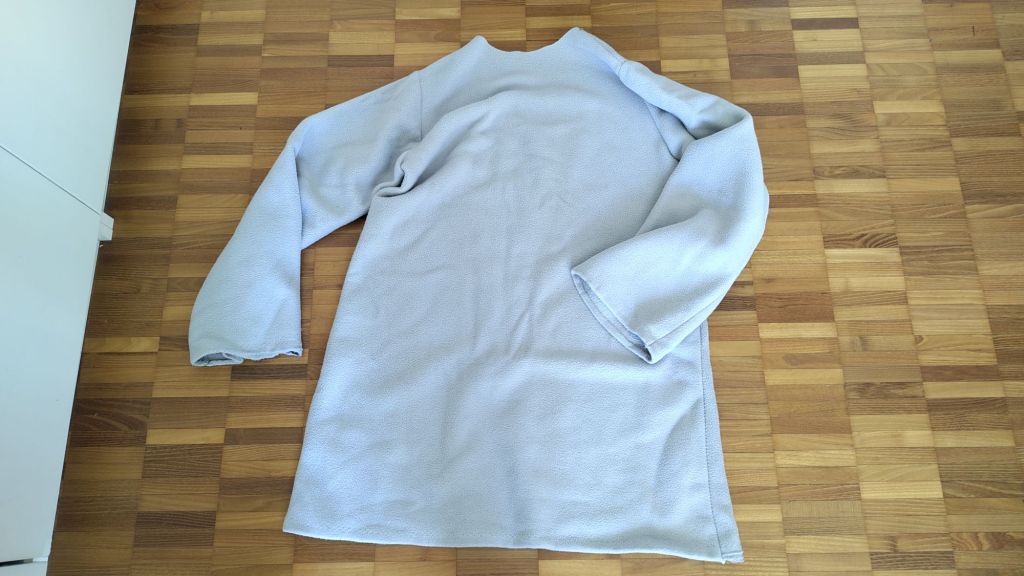
On the top left, wonderfully-light grey fleece that kept us warm in cold airbnb apartments … Until I decided to make an unfashionable sweater out of it.
Bottom left, blue jeans-colored fleece intended for another sweater but haunted by the failure of the grey fleece sweater.
Closing the zipper keeps the ghosts of projects past contained until I’m ready to deal with them.

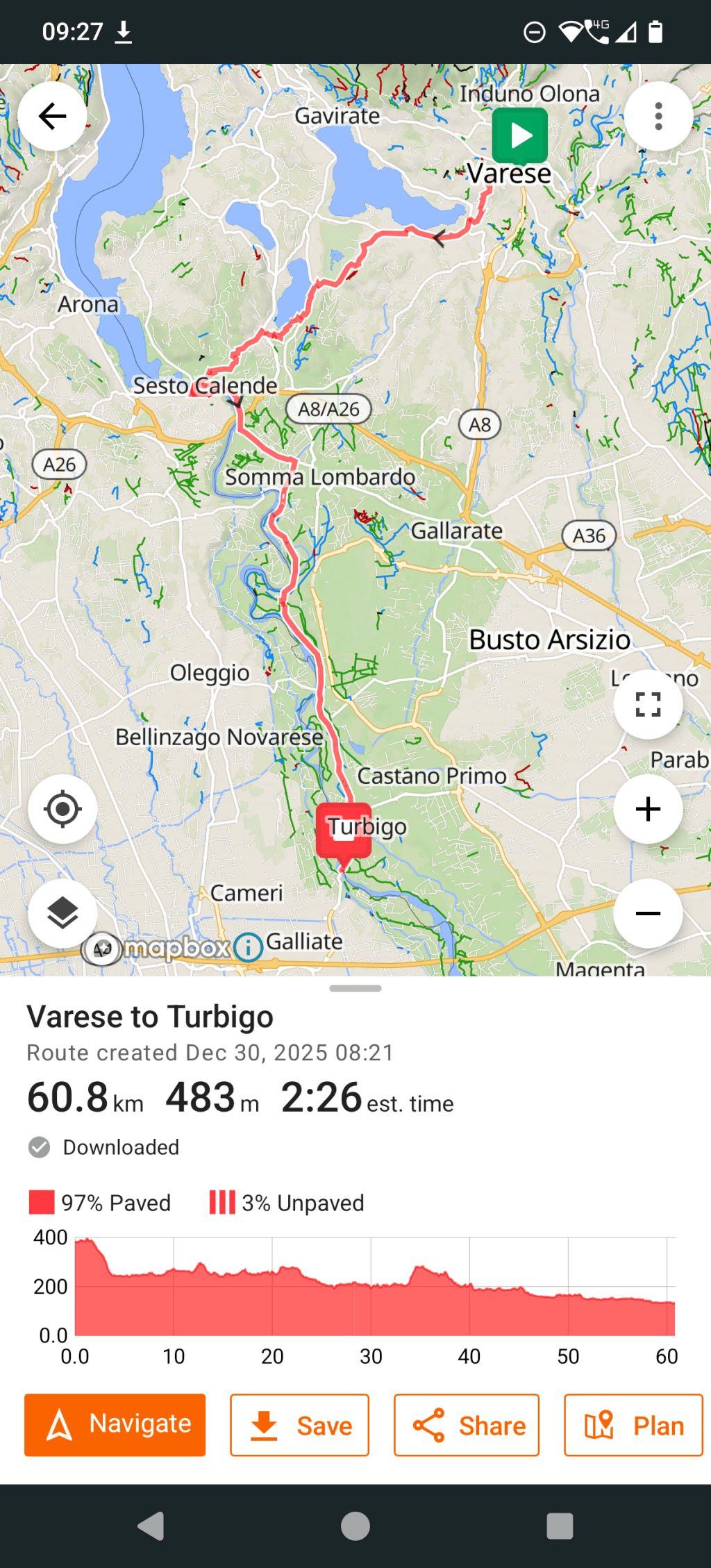
I love looking at maps of the world and imagining travel routes. One possibility that caught my eye decades ago is the “green triangle” around Milan:
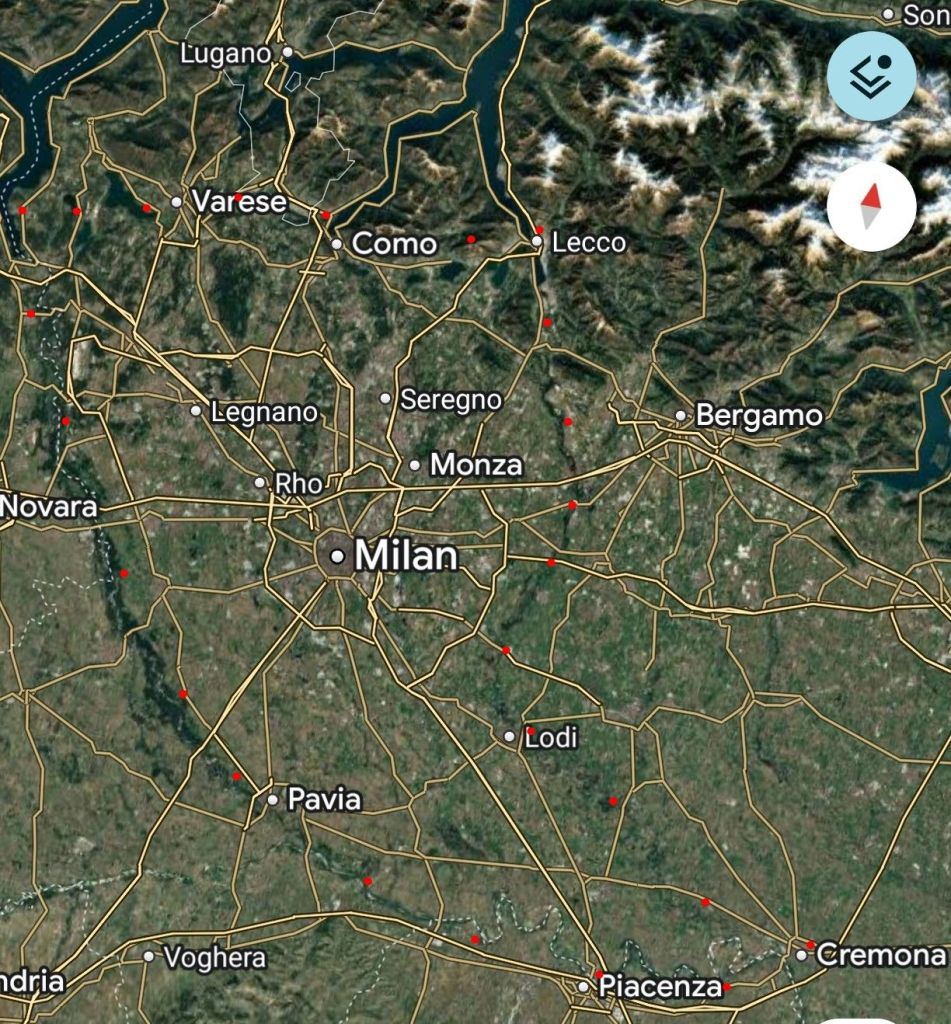
Since I have been pondering buying the Coros Dura Solar GPS Bike Computer, I thought I’d try to plan out this route using a bike route mapping app. I ended up using RideWithGPS and within 45 minutes I had a route mapped out. 7 days, between 50 and 80 kms a day, passing through towns such as Vigevano, which I’ve wanted to visit for a while. 2-3 hours of daily cycling gives me enough time to wander around the towns and not overextend myself, riding close to or in the green sections next to the rivers, on a road bike, mostly on paved roads.
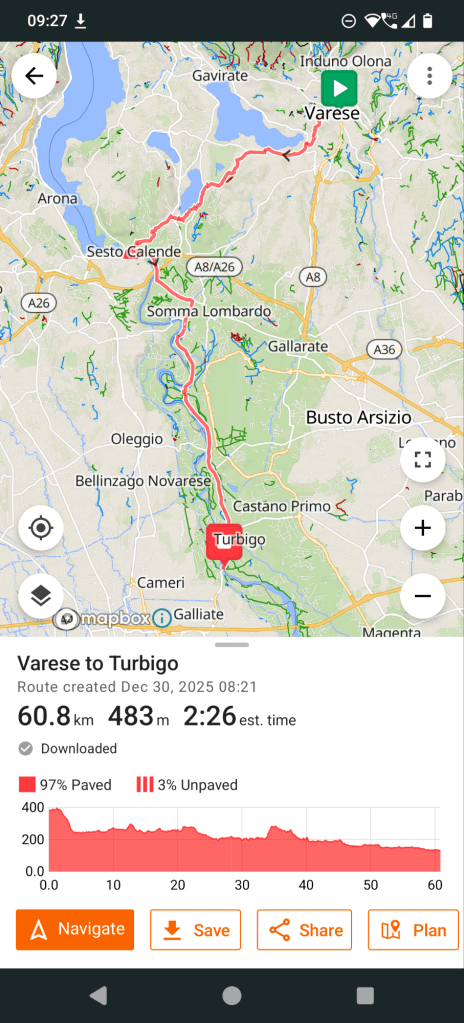
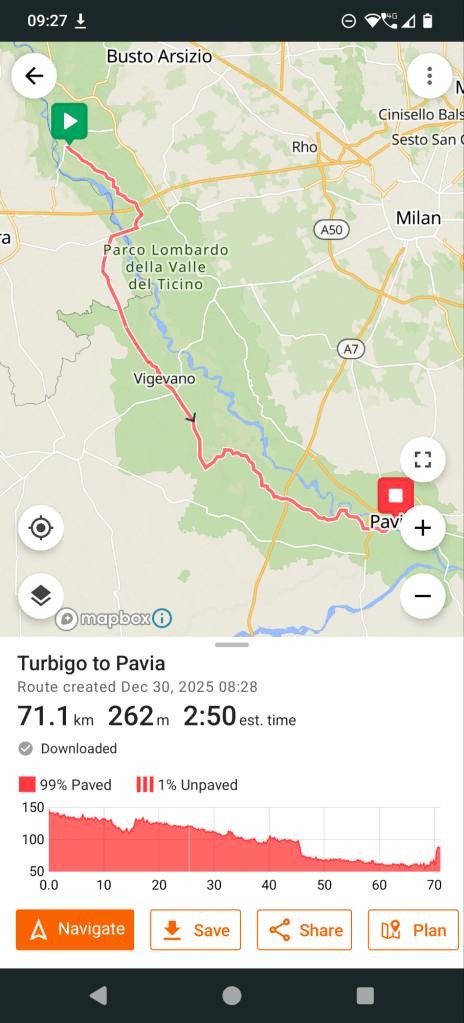
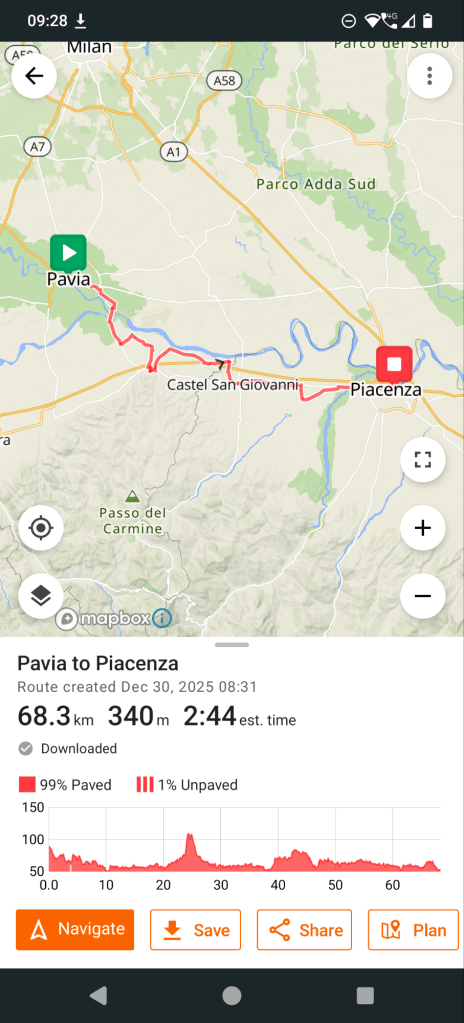

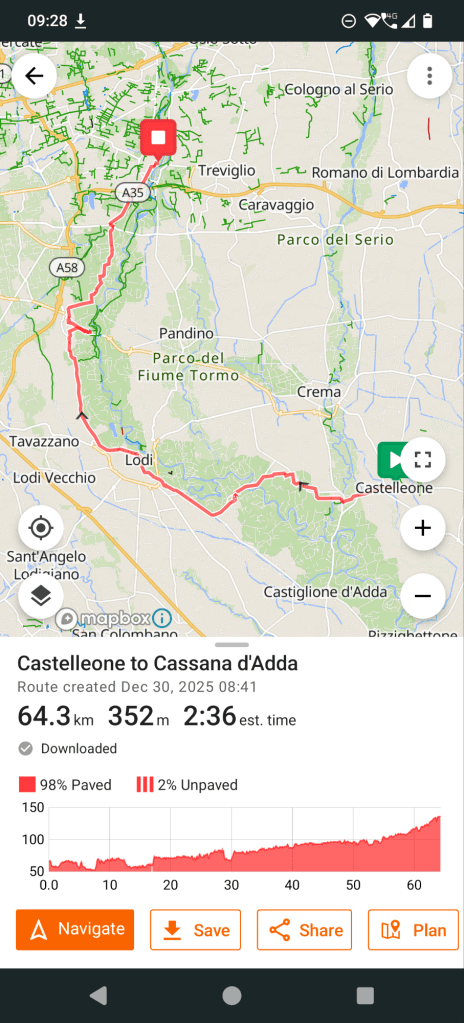

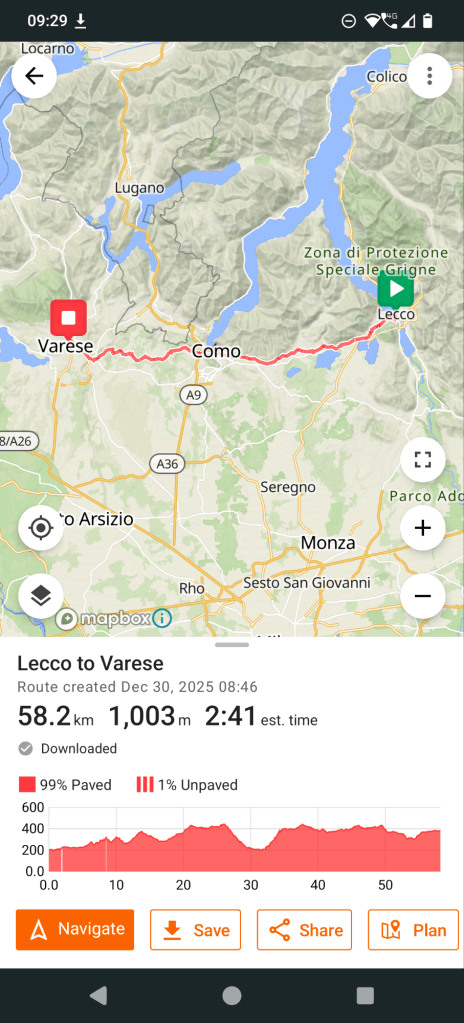
I thought of doing this in April, the low season for mountain activities, and celebrate a year of not having a corporate job!
Open questions:
Should I pay the yearly subscription to RideWithGPS? What about Komoot? What about the Coros built-in planning capabilities? Or Bikemap?
A comparison that matches my impression: https://www.thenxrth.com/post/ride-with-gps-vs-komoot-which-is-better-for-bike-adventures
How much cycling am I going to do? A couple of hours a day for a few single and multi-day excursions? In the shoulder seasons?
Can I create one 7-day bike route, instead of 7 individual one? Is there an official cycling route down the Po? Yes, the EuroVelo 8 Route!
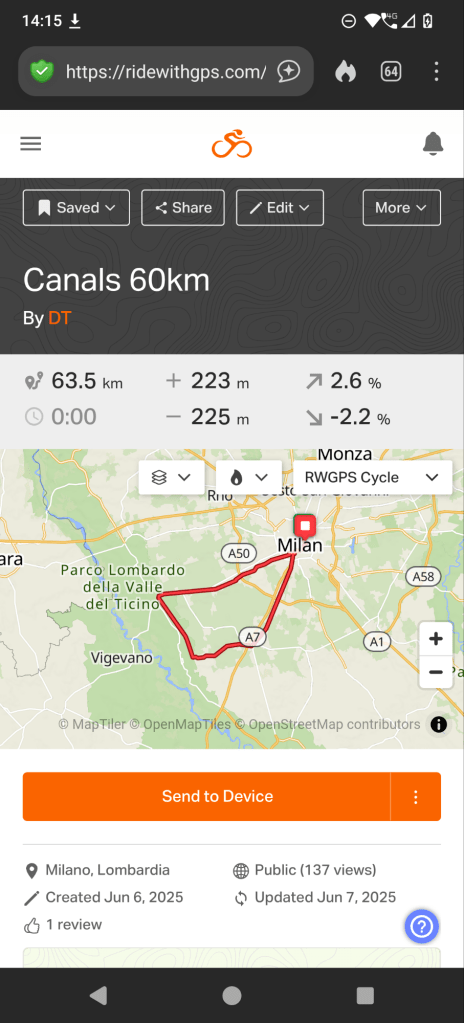
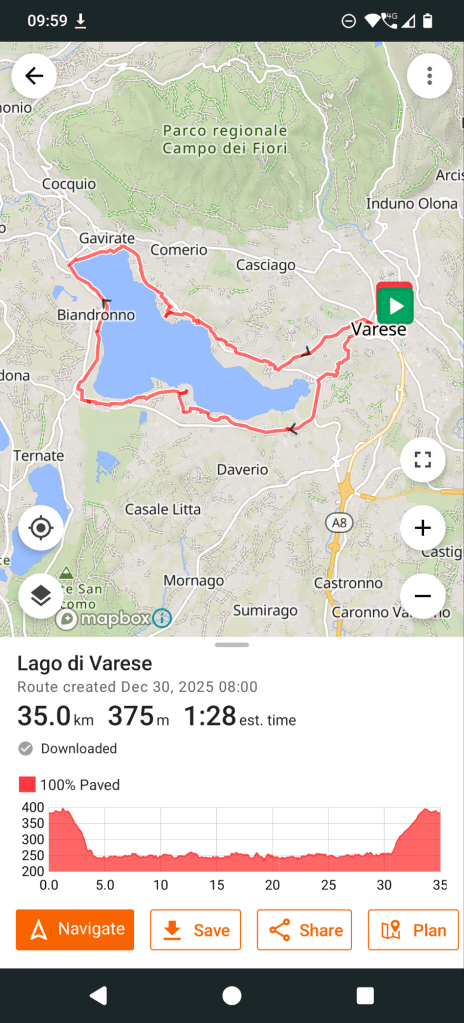
How does this approach transfer to planning amazing 2400m plus multiday backpacking trips? A dedicated cycling app obviously doesn’t but this calculated route planning strategy is very inspirational!
At least I can use my bikebackpack and visit some towns in northern Italy I’ve wanted to see, letting my brain ponder what I want to do in my second year of freedom.
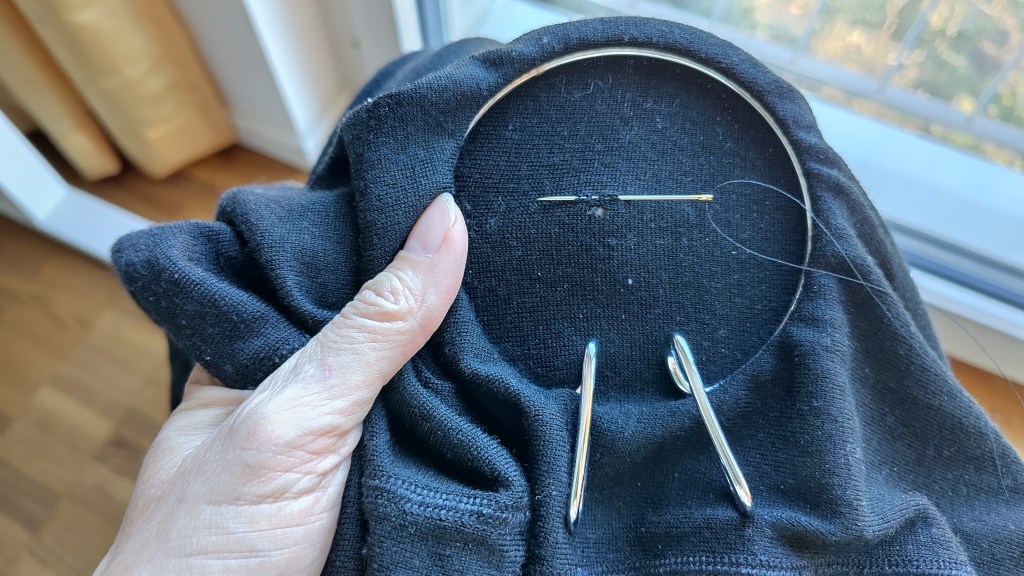
I have a cupboard full of old neglected projects, some of them more maintenance mending than new exciting stuff. I started out with this blog intending to get all that mending and those neglected projects done before buying new materials from my favorite supply store extremtextil.de. I heard they were at ISPO too, and are also convinced of magnetic closures such as Fidlock , since you can now buy these really cool new magnetic closure strips:
https://www.extremtextil.de/en/fidlock-hermetic-magnetic-tpu-band-breite-44mm-transparent/73113.75CM
Before I embark on a new magnetic closure project (tent door? Magnetic nanobaggies? Jacket with magnetic strip instead of zipper?) I’m inspired/guilted to mend the moth holes in my “old” but barely worn 260 merino icebreaker long underwear.
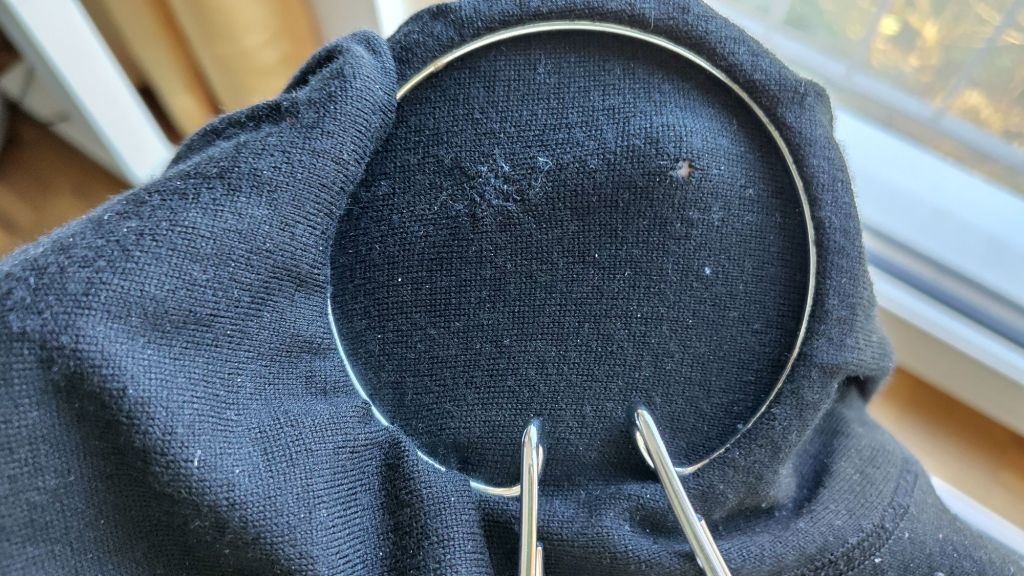
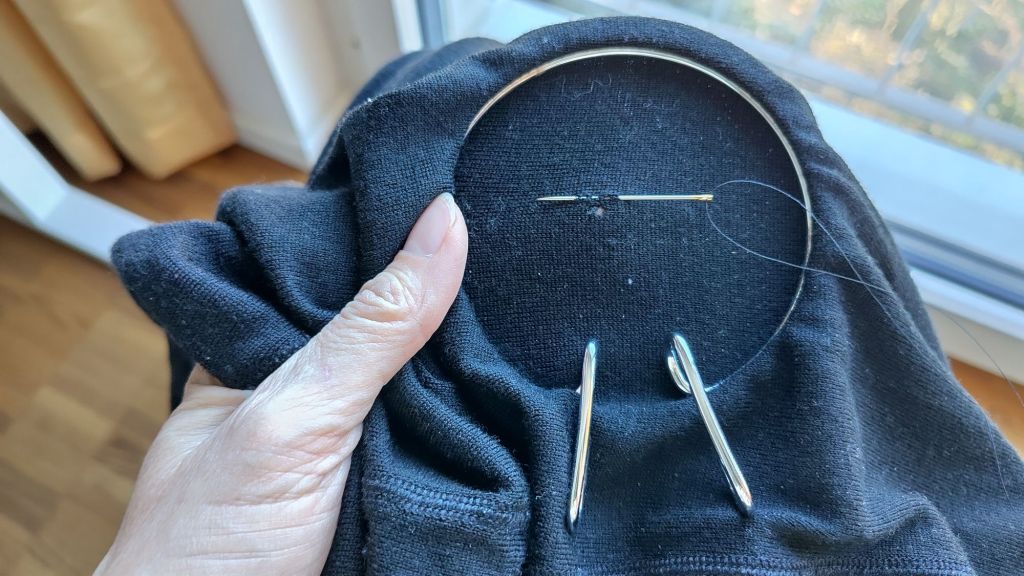
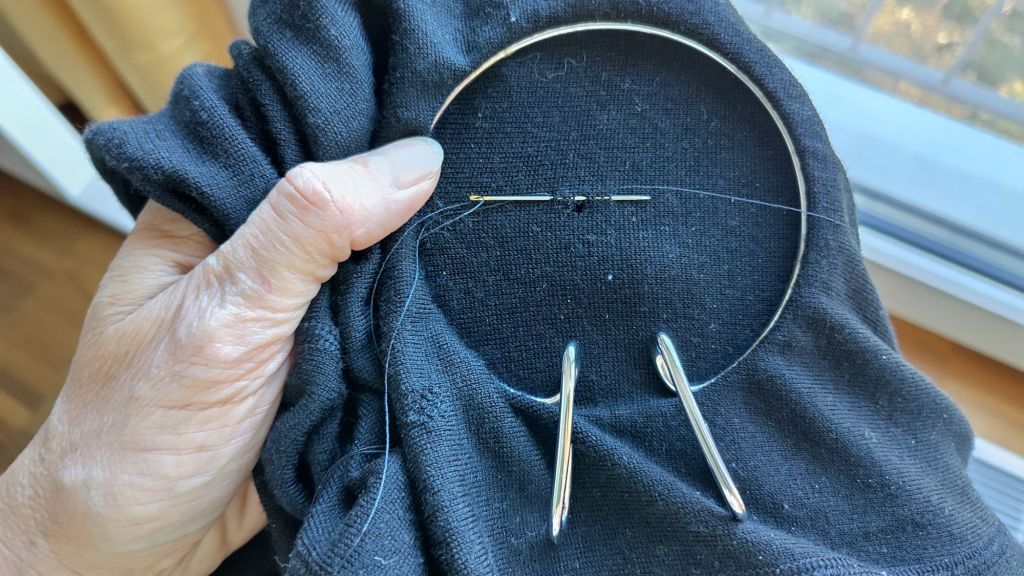
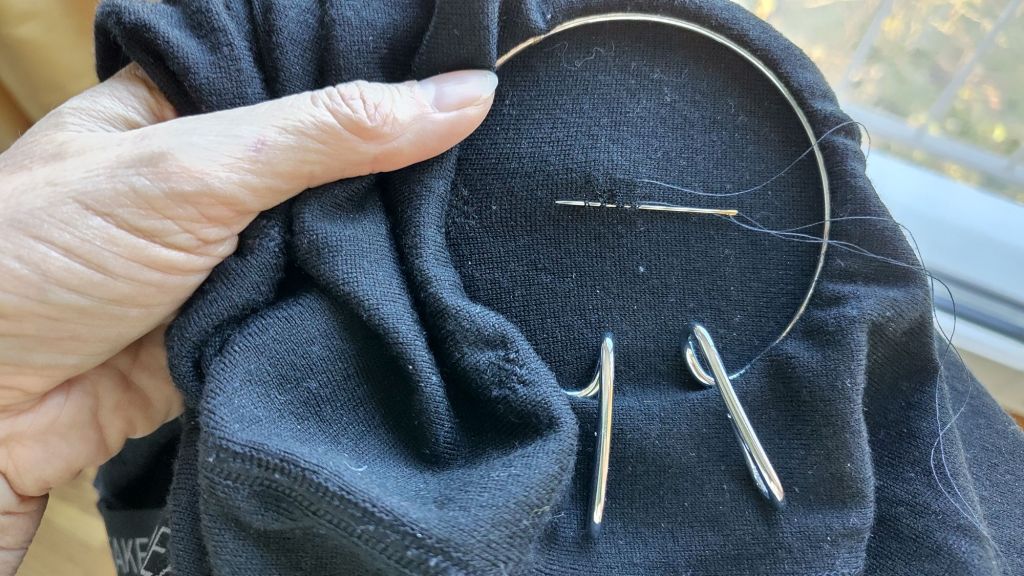
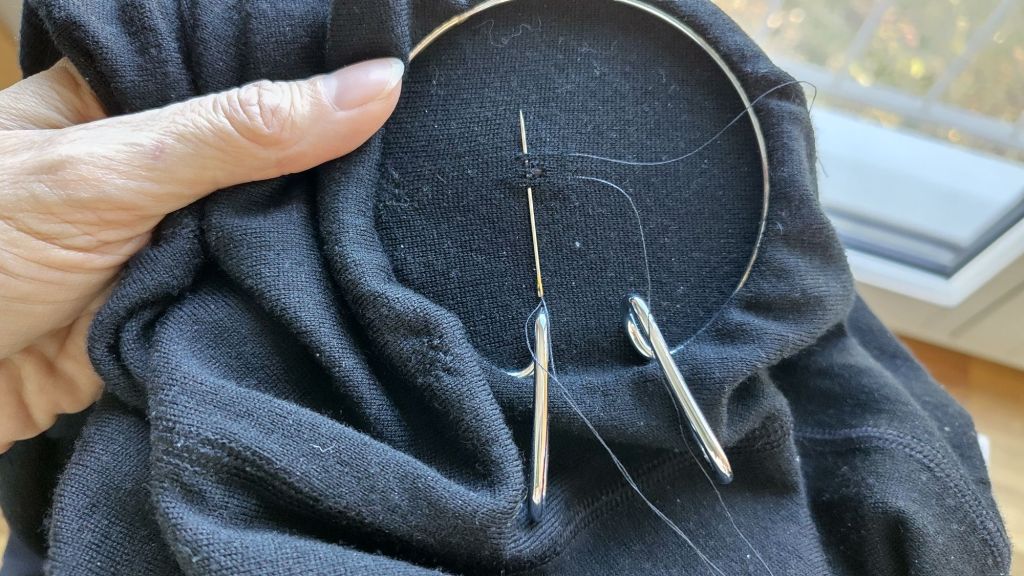

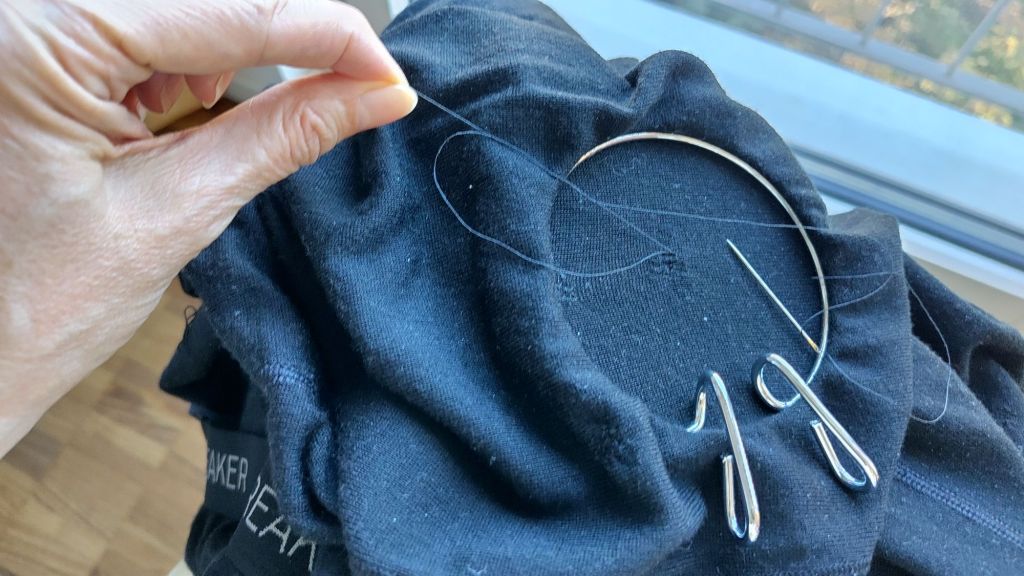
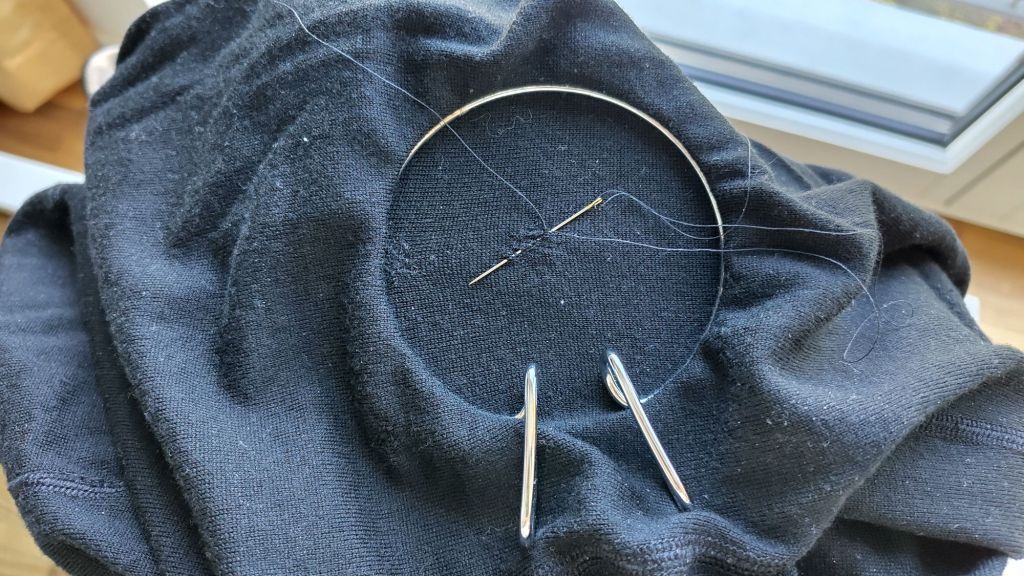
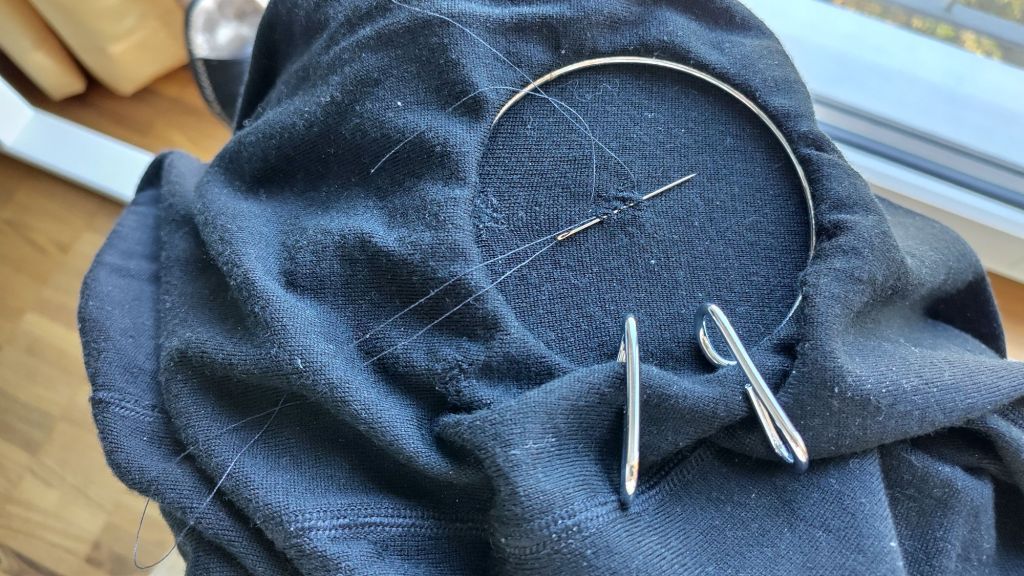
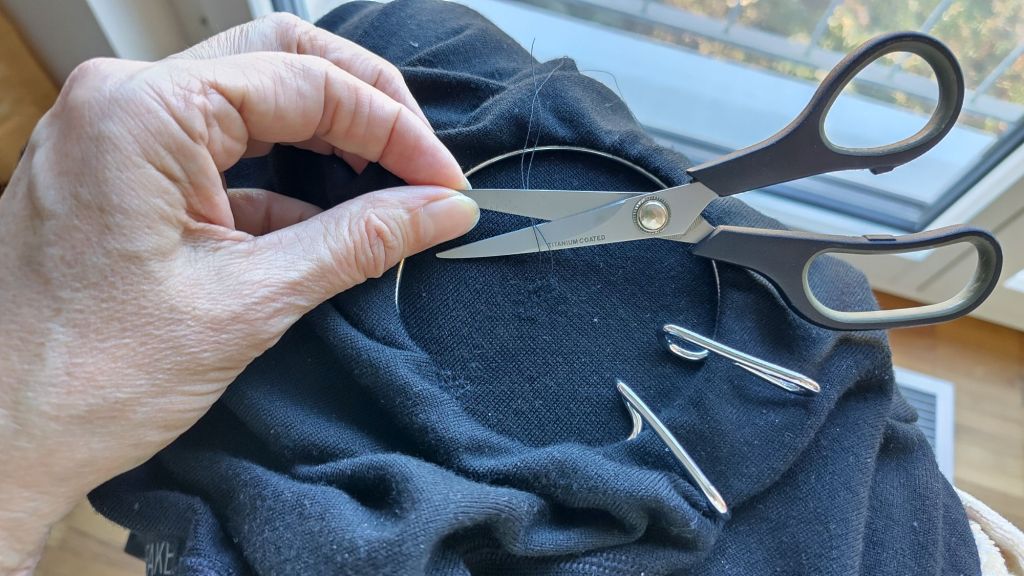
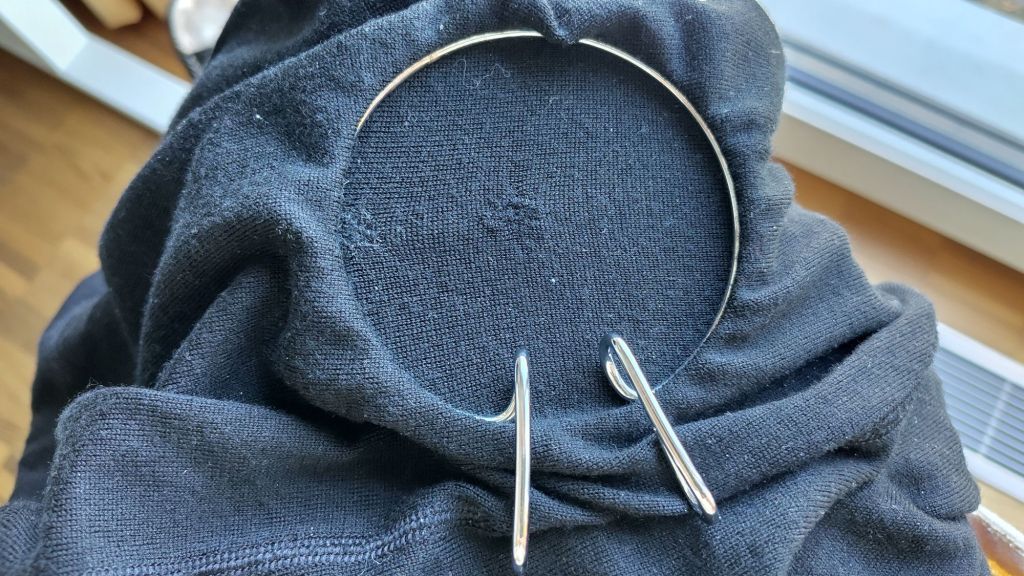
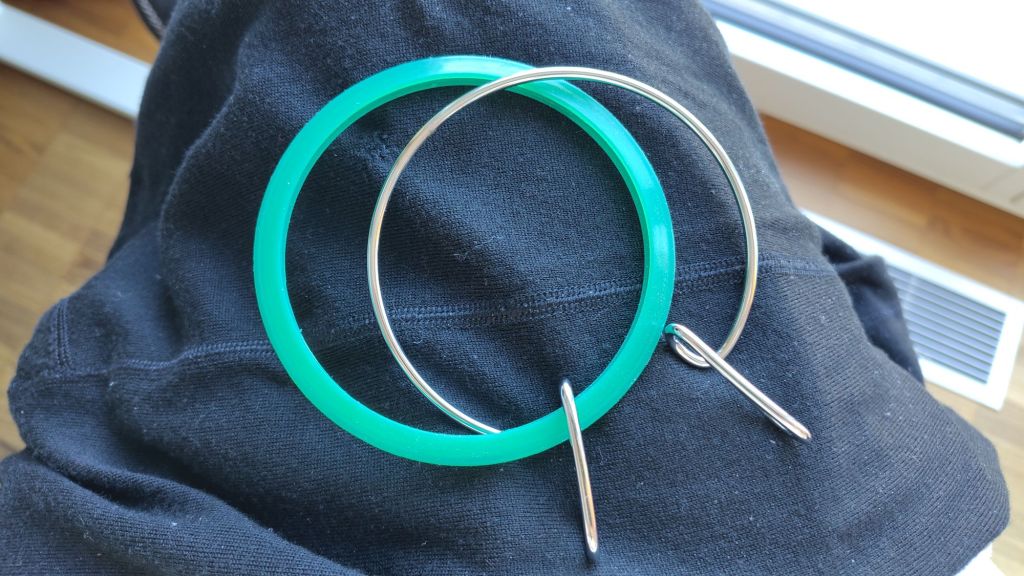
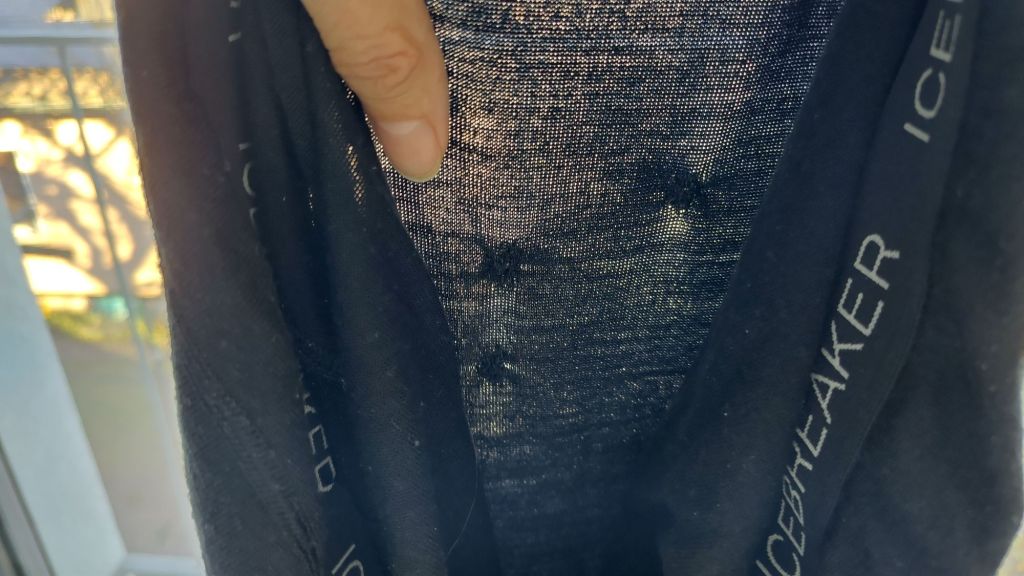
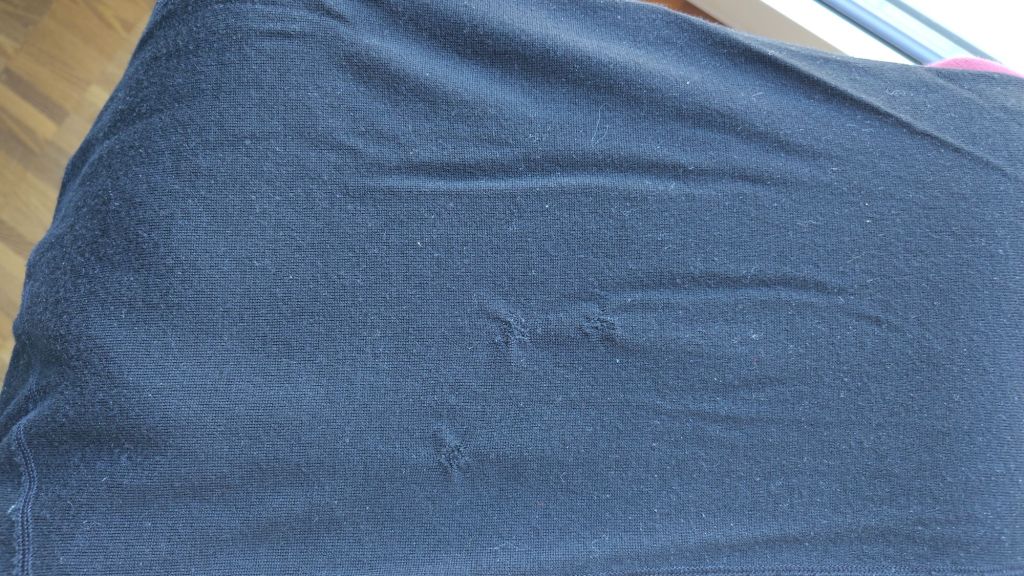
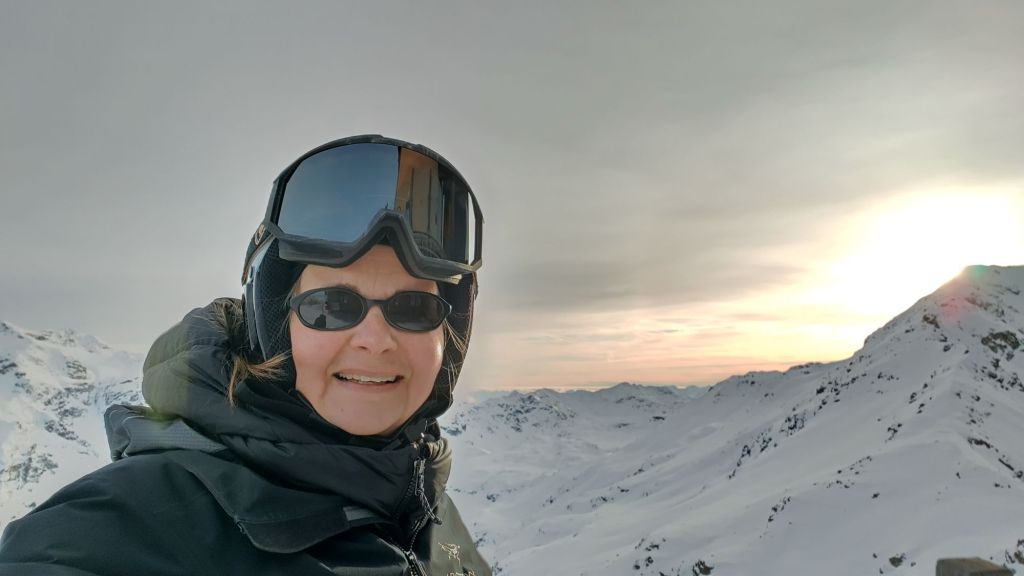
I’m happy to have mended this expensive object, especially as I really appreciated the other pair I brought skiing last week.
But not all mending is worth it. I mended several pillow cases recently and then the fabric just gave up. So that was a waste of time. (Are the zippers worth saving? Or will I spend precious time incorporating them in a future project, only to have them fail?)
Looking forward to continuing new project ideas with a slightly cleaner conscience!
Note to self: make sure no future moth will want to go near my merino clothing!!!
 Cool and Interesting