With the extraordinary hot summer we’re experiencing in Europe right now, and the bombing of the infrastructure in several countries, plus a sale on Dyneema material so I can finally make my own light-weight emergency shelter without feeling too guilty of wasting money, I’m thinking about what would be a systematic way to increase our ability to deal with a “lights go out” or “supply chain issue” situation.
Here is a good place to start: Emergency kit checklist or a two-week checklist. Let’s think about scenarios and immediate and long-term consequences.
Blackouts of several hours and days’ duration have happened lately: a three-day blackout in the winter in Ottawa, a one-day blackout in the summer in Barcelona.
The first issue is the freezer. All the stuff inside will thaw out. So depending on the fridge and freezer to store food is not great. What do we have in our freezer? Fish, fruit, veggies. They’d have to be eaten quickly. We should preserve in jars whatever we have in there and make sure we rotate through the food so we know what we have. Buy more fish in cans?
The second issue is cooking. Our kitchen is all electric. We have a barbq in which I baked a cake the other day because our oven decided to stop working in the middle of preheating.
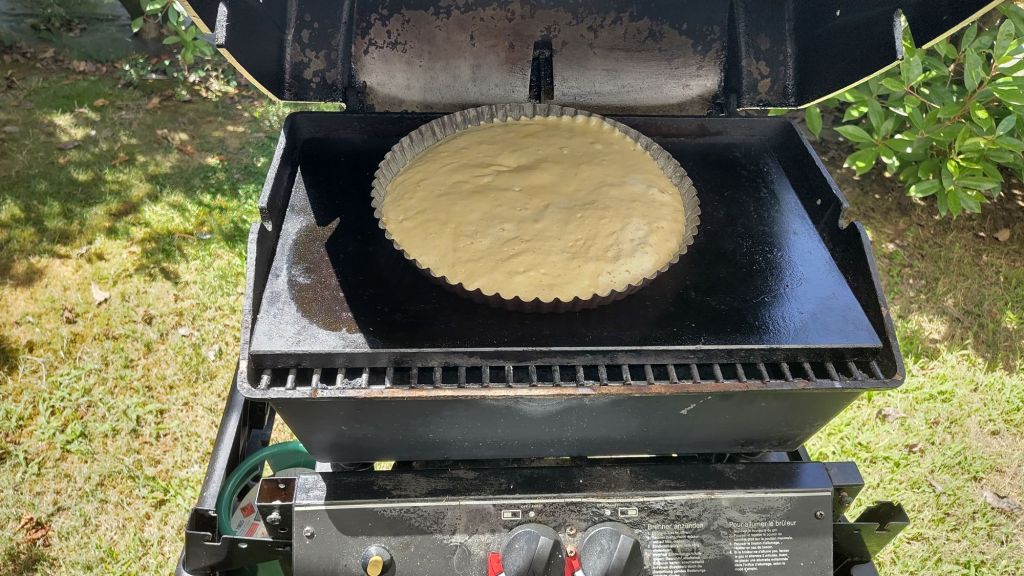
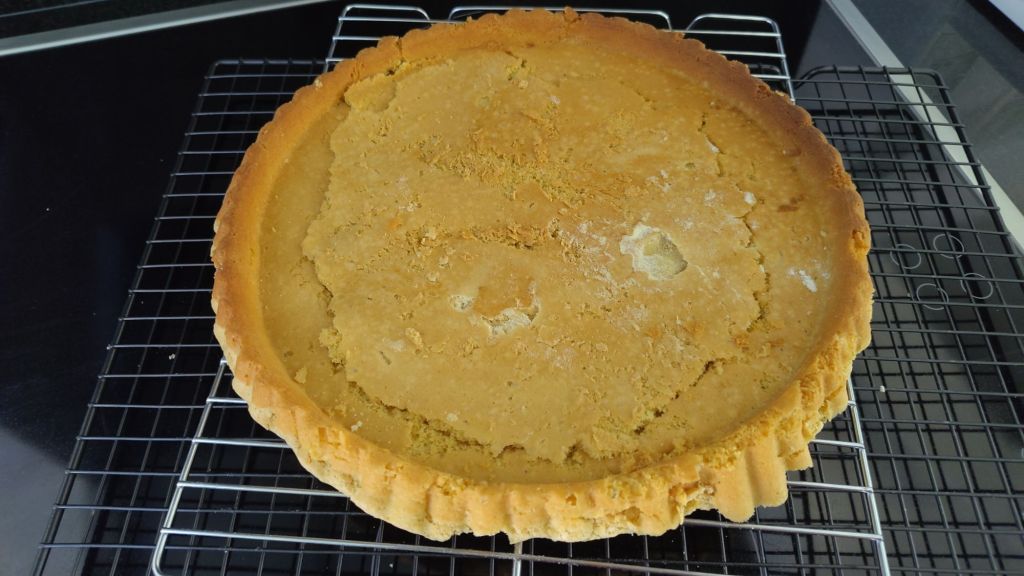
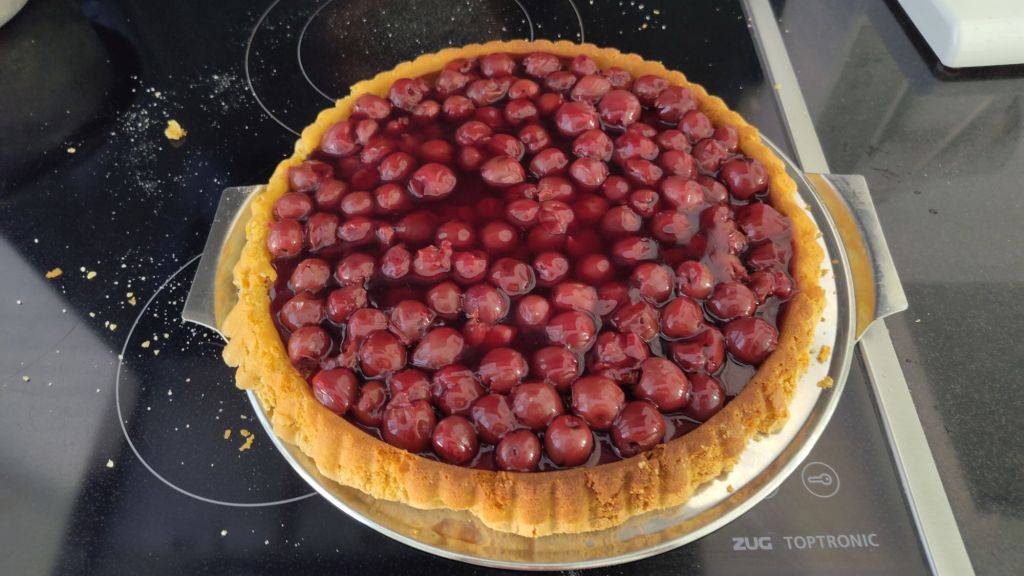
It kinda worked out. With a bit of practice also the middle of the cake would be cooked properly. A circle of non-stick material would help remove the cake more easily. Hand-whipping the eggs and UHT cream would be tedious though, even with a handmixer. Do we even need cakes during an emergency? Yes, if someone has a birthday we want to be able to celebrate it and not just be miserable.
The barbq is not great for making coffee, but we have our camping stoves for that. Do we have enough camping fuel for endless coffees and teas? Let’s order some more instead of buying another “just-in-case” stovetop cooker that runs on the big gas canisters.
What food reserves could we eat without cooking, or with just some added hot water, as we do when backpacking? Is it worth it to buy some pre-made freeze-dried stuff? I wouldn’t be able to dry our own vegetables if there’s no electricity.
The third issue is heating the house. Earlier this year we stayed in my aunt’s vacation house where the heating system had given up. It was close to freezing at night. We were cozy warm in our down sleeping bags but walking around the house cleaning it up was miserably cold. When Putin threatened to turn off the gas to Europe we tried to buy wood for the stove in our house, but there was none to be had. So now we’re thinking again about how to stockpile wood without it just sitting there as an insect hotel. I’ve used it quite regularly during days of sudden temperature drops. It has given a nice cozy feeling on rainy days, which is also important!
The fourth issue is cooling the house. We’ve had three heat waves already and a fourth one is on the way. As soon as it’s above 33 during the day and above 21 during the night, the outside and the house become uncomfortably hot.
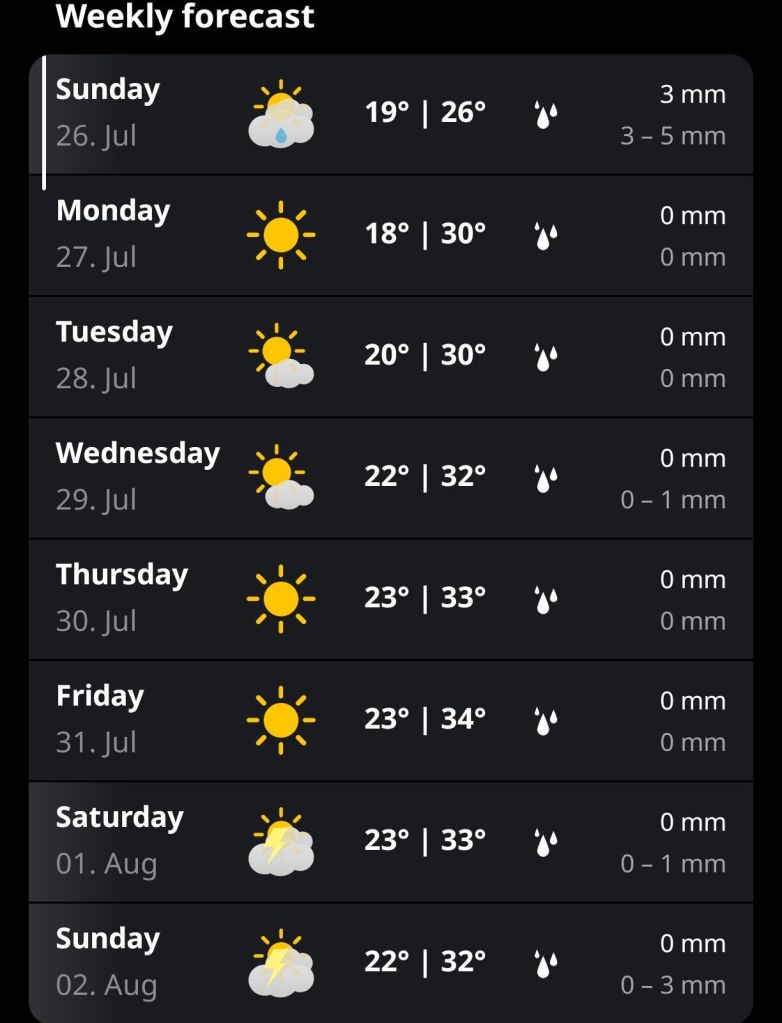
Two days of nice cool temperatures before we get hot and lethargic again.
The openable skylight lets the hot air escape upwards, so the passive flow helps cool the house. But when the night temperature is not low enough to cool the house, the portable air conditioner helps to reduce it a couple of degrees during the day, using solar energy! This won’t work when the lights go out though. Check out the book The Ministry for the Future to see what could happen. Good thing our local lake is quite deep.
Time for breakfast to keep sugar levels and spirits up. Stay tuned!
 Cool and Interesting
Leave a comment